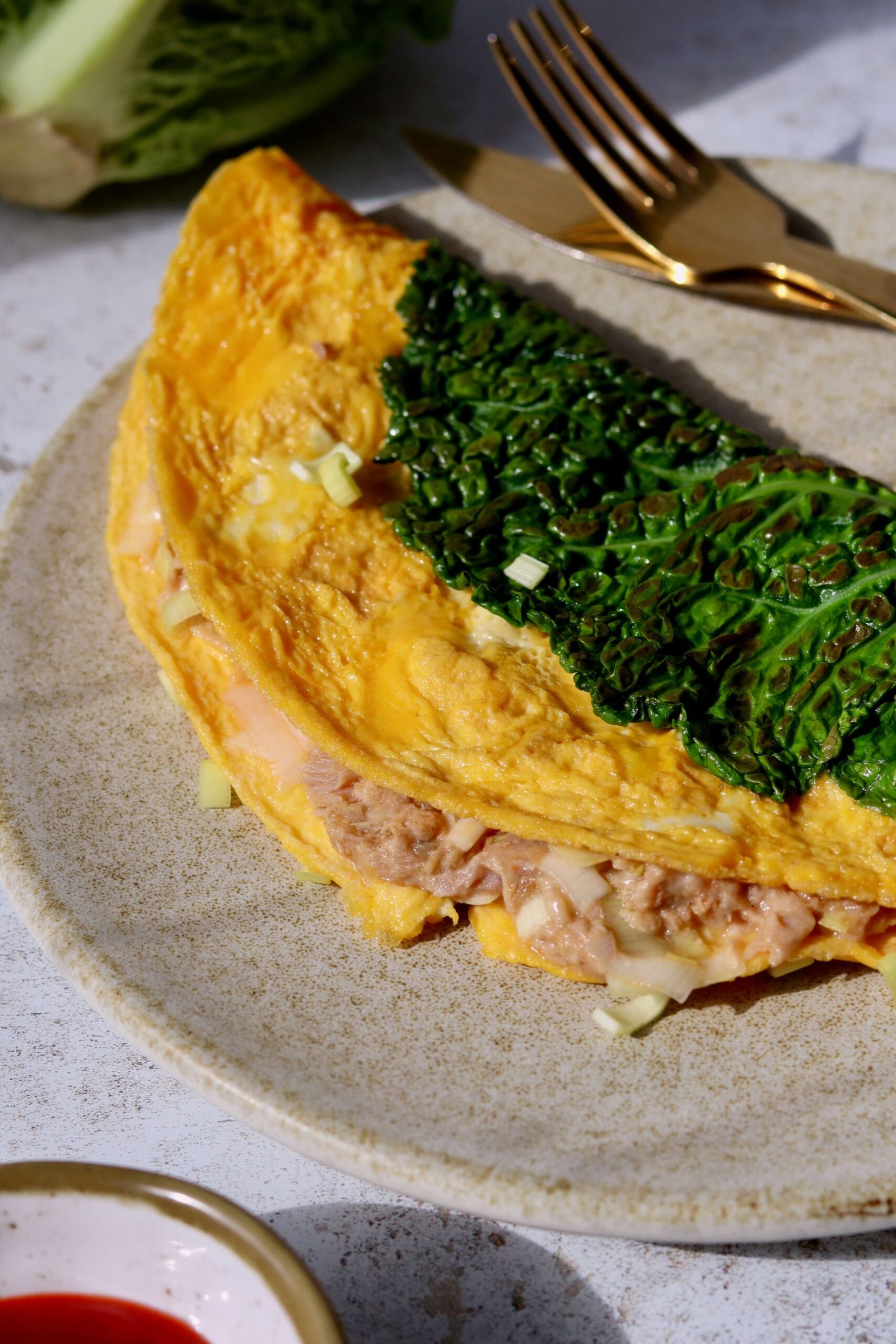


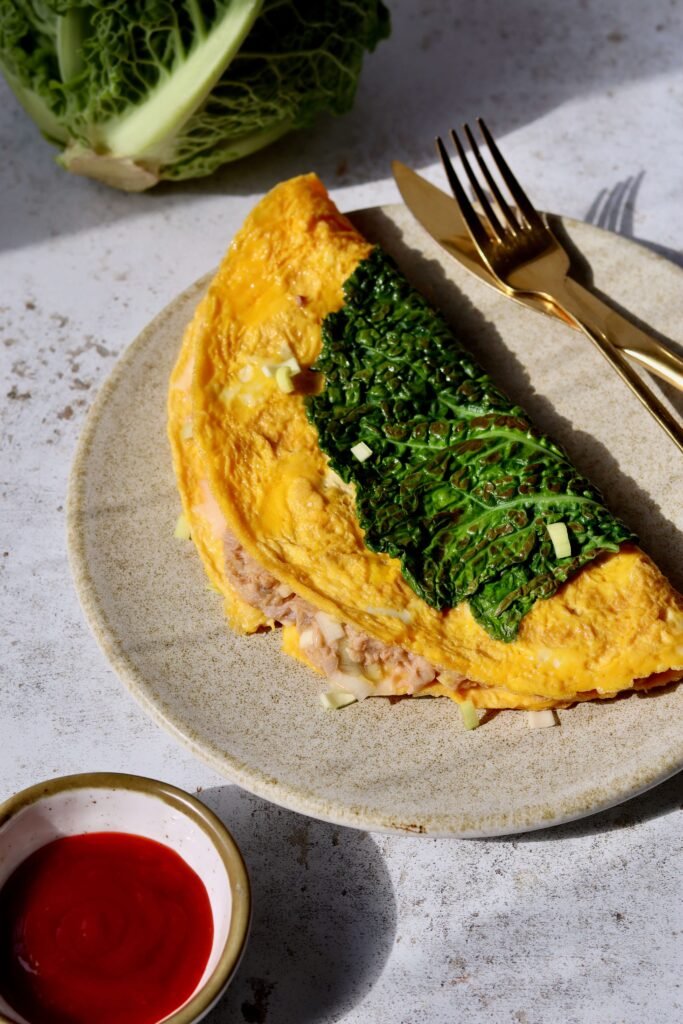
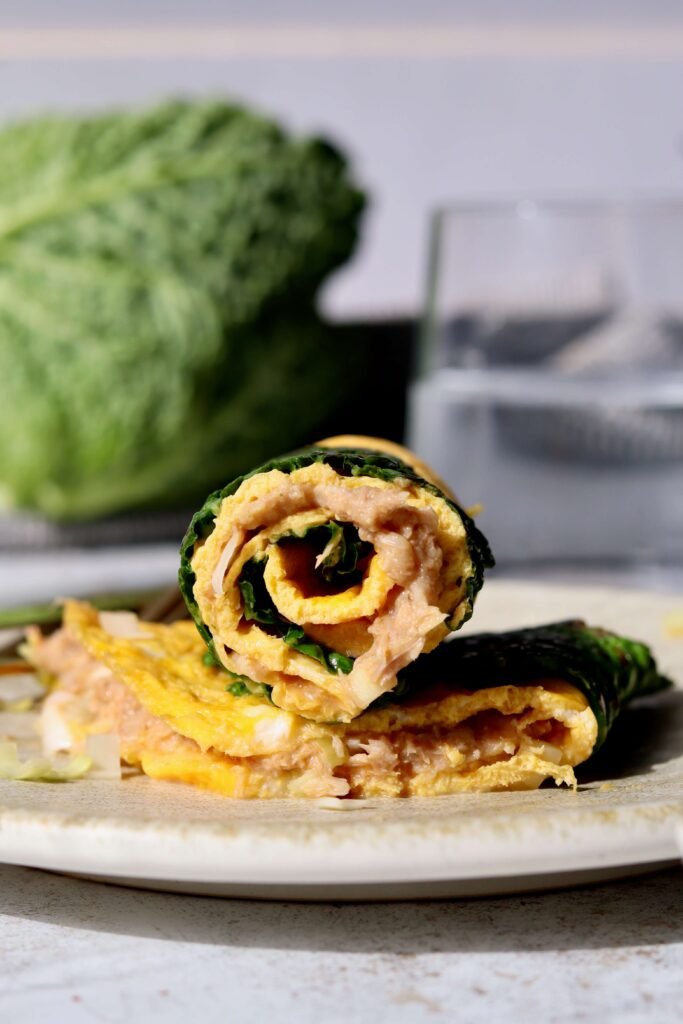
If you’re looking for a quick, high-protein meal that’s both satisfying and easy to make, this tuna melt cabbage omelette is a great option. It combines creamy tuna filling with a soft, slightly crispy egg base for a simple but filling dish.
As a certified nutrition coach, I focus on meals that support protein intake while still being practical and enjoyable.
In this post you’ll learn:
- How to make a tuna melt cabbage omelette step-by-step
- Ways to adjust it for your nutrition goals
- How to use simple ingredients to build a balanced, high-protein meal
Why This Tuna Melt Cabbage Omelette Works
This tuna melt cabbage omelette works because it combines high-quality protein sources (tuna, eggs, and cheese), which can help support satiety and keep you fuller for longer.
The cabbage adds volume and texture without significantly increasing calories, making it a useful ingredient for balanced meals.
Research suggests that meals higher in protein may help with appetite regulation, which is why recipes like this can be useful in everyday eating.
Macro-wise, this recipe is:
- High in protein
- Moderate in fats
- Low in carbohydrates
Nutrition Breakdown (per serving, approx)
- Calories: ~350–420 kcal
- Protein: ~30–35g
- Fiber: ~2–3g
This is a high-protein, lower-carb meal, making it suitable for breakfast, lunch, or a quick dinner.
Coaching insight:
Aiming for ~25–35g protein per meal can help support fullness and consistency across the day.
Ingredients + Smart Substitutions
- 1 tin tuna
- 30g chopped leek
- 20g grated cheese
- 2 tbsp mayo
- ½ tbsp sriracha
- Garlic granules
- Salt
- 2 medium eggs
- 1 cabbage leaf, stem removed
Smart swaps:
- Use Greek yogurt instead of mayo to increase protein
- Swap cheese for a reduced-fat version
- Use red cabbage for a slightly different texture
- Add spinach or peppers for extra volume
If you’re adjusting based on your goals, here’s how it may change the macros.
Using yogurt increases protein and reduces fat, while adding more vegetables increases fiber and volume.
Method with Practical Coach Notes
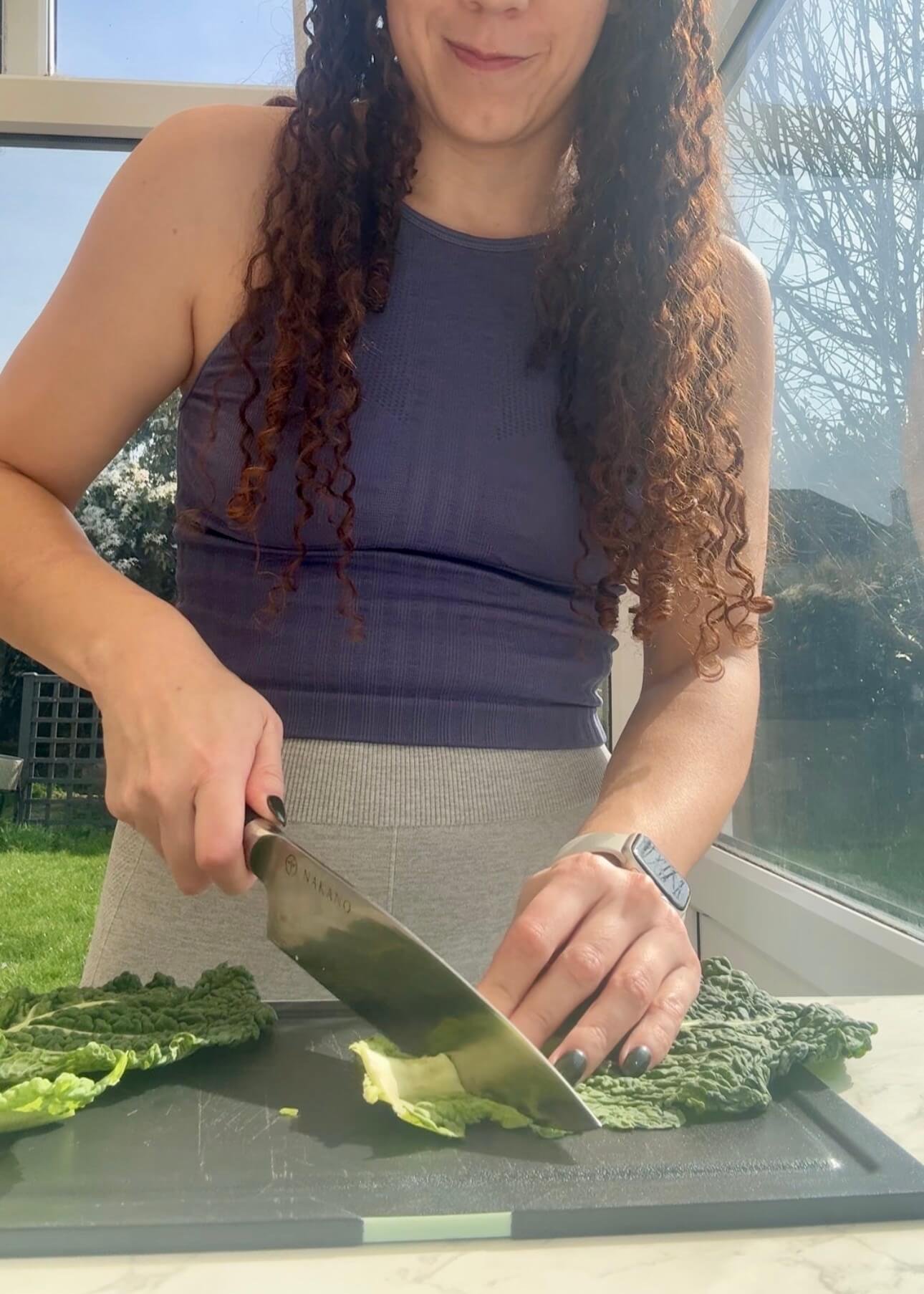
- Wash the cabbage leaf, remove the thick stem, and pat dry.
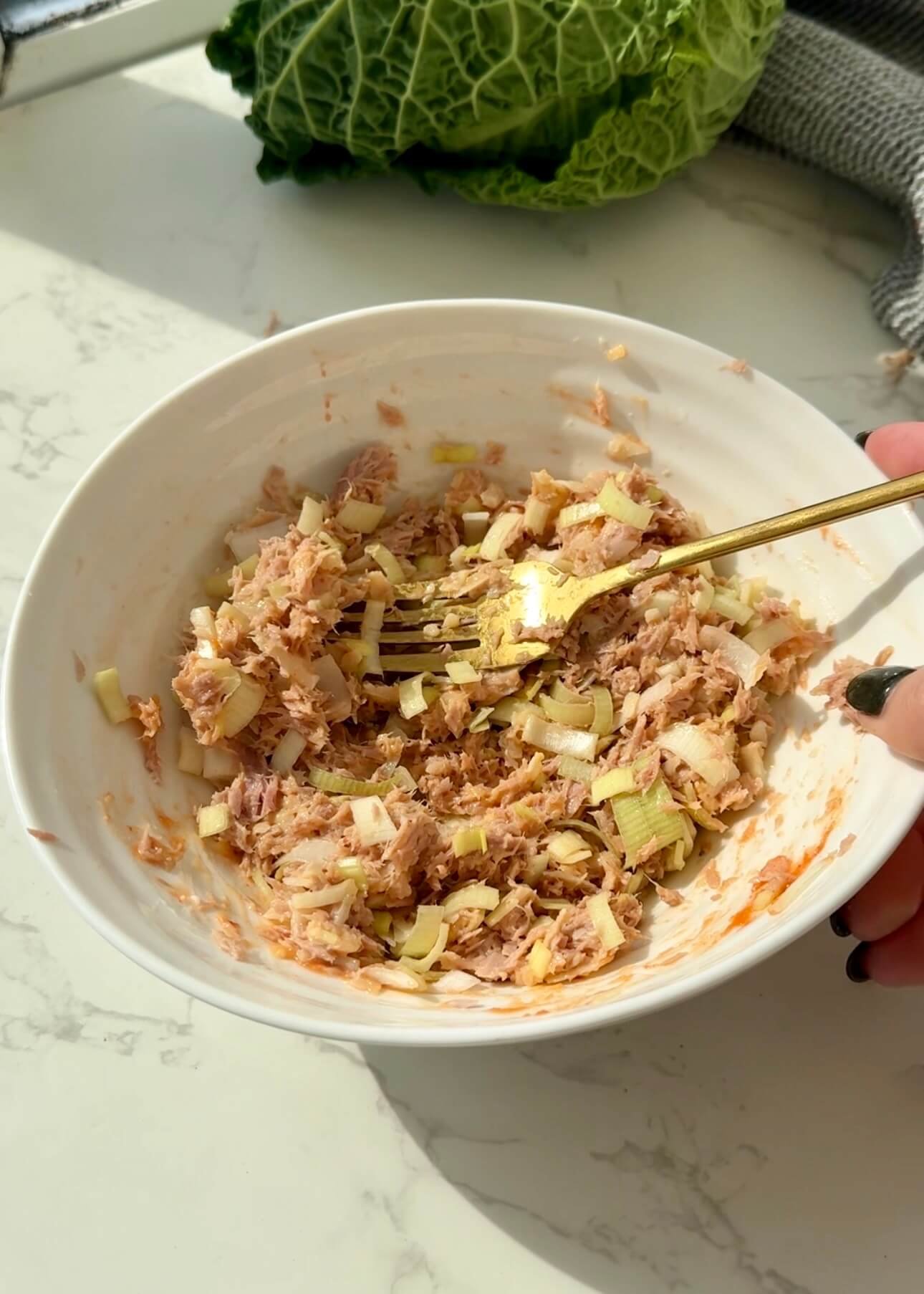
- In a bowl, mix tuna, leek, mayo, sriracha, garlic granules, and salt.
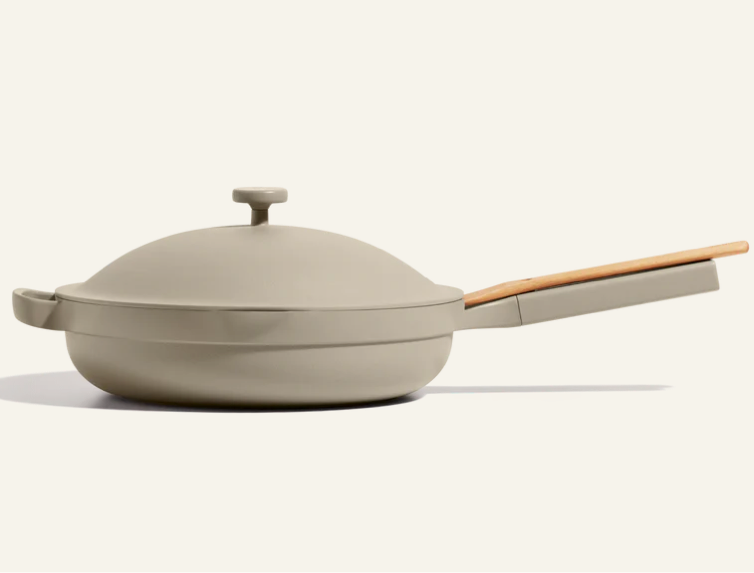
Mix until creamy for easier spreading. - Preheat a non-stick or ceramic pan over medium heat.
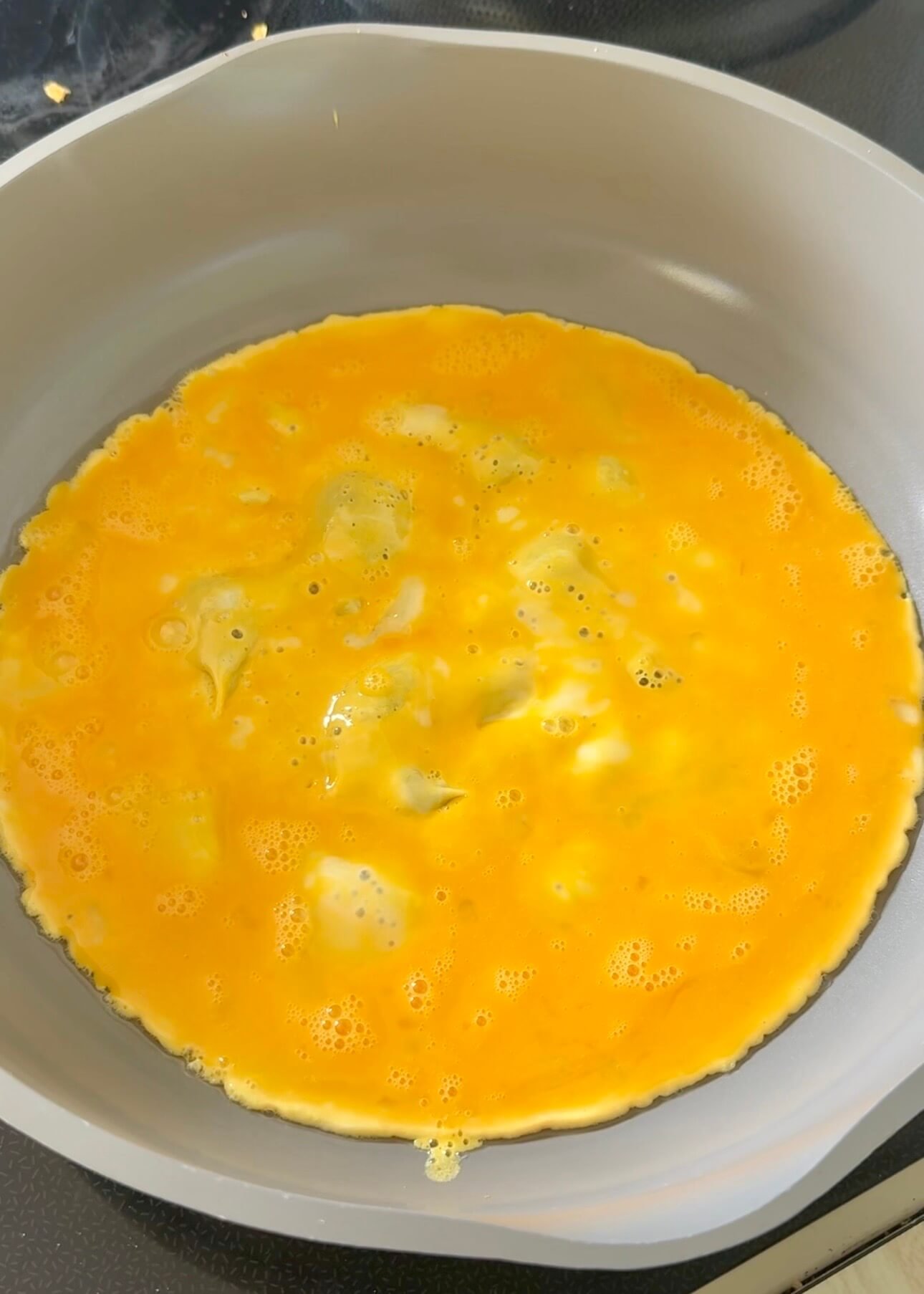
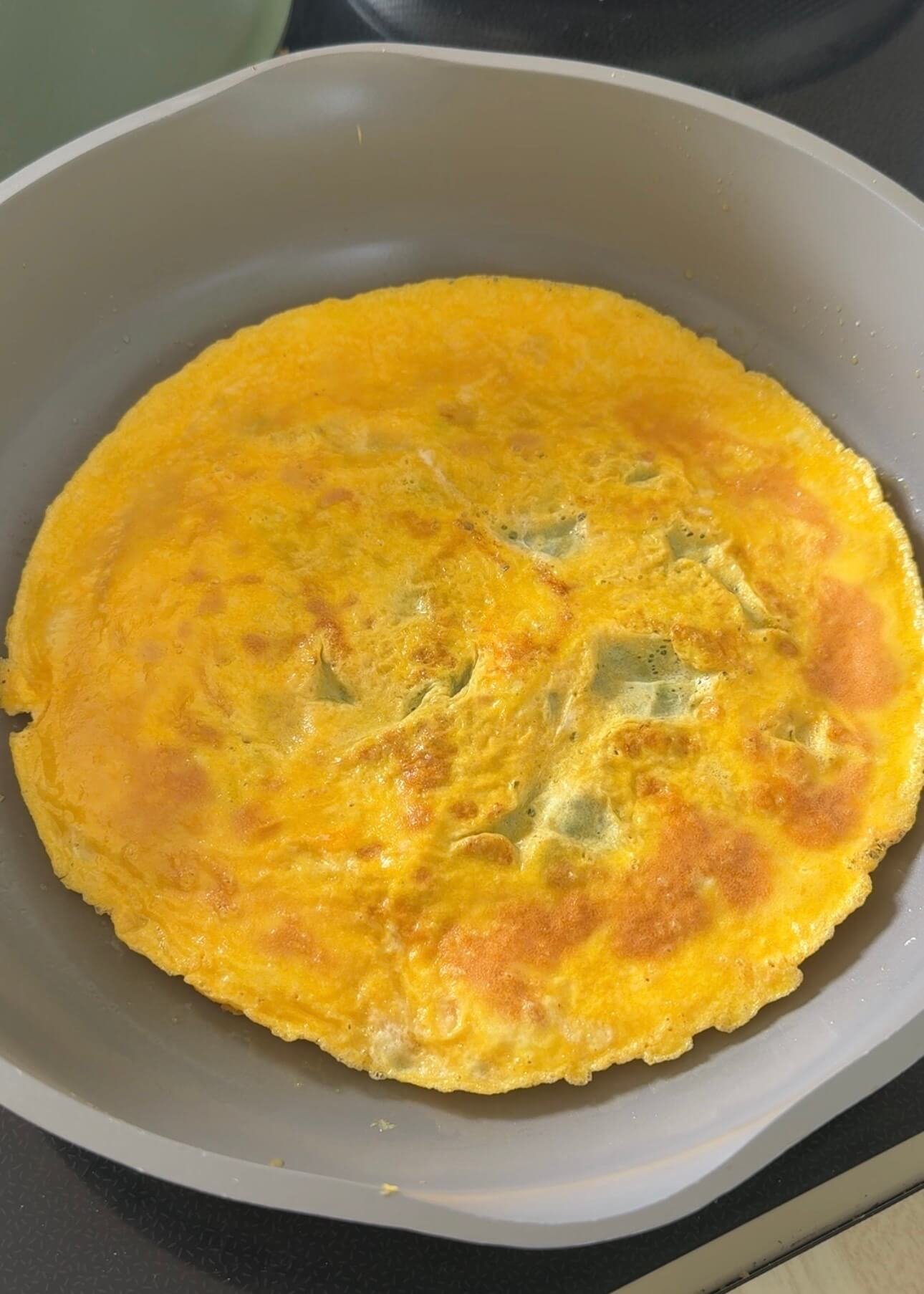
Add a small amount of oil if needed. - Whisk the eggs with a pinch of salt and pour into the pan.
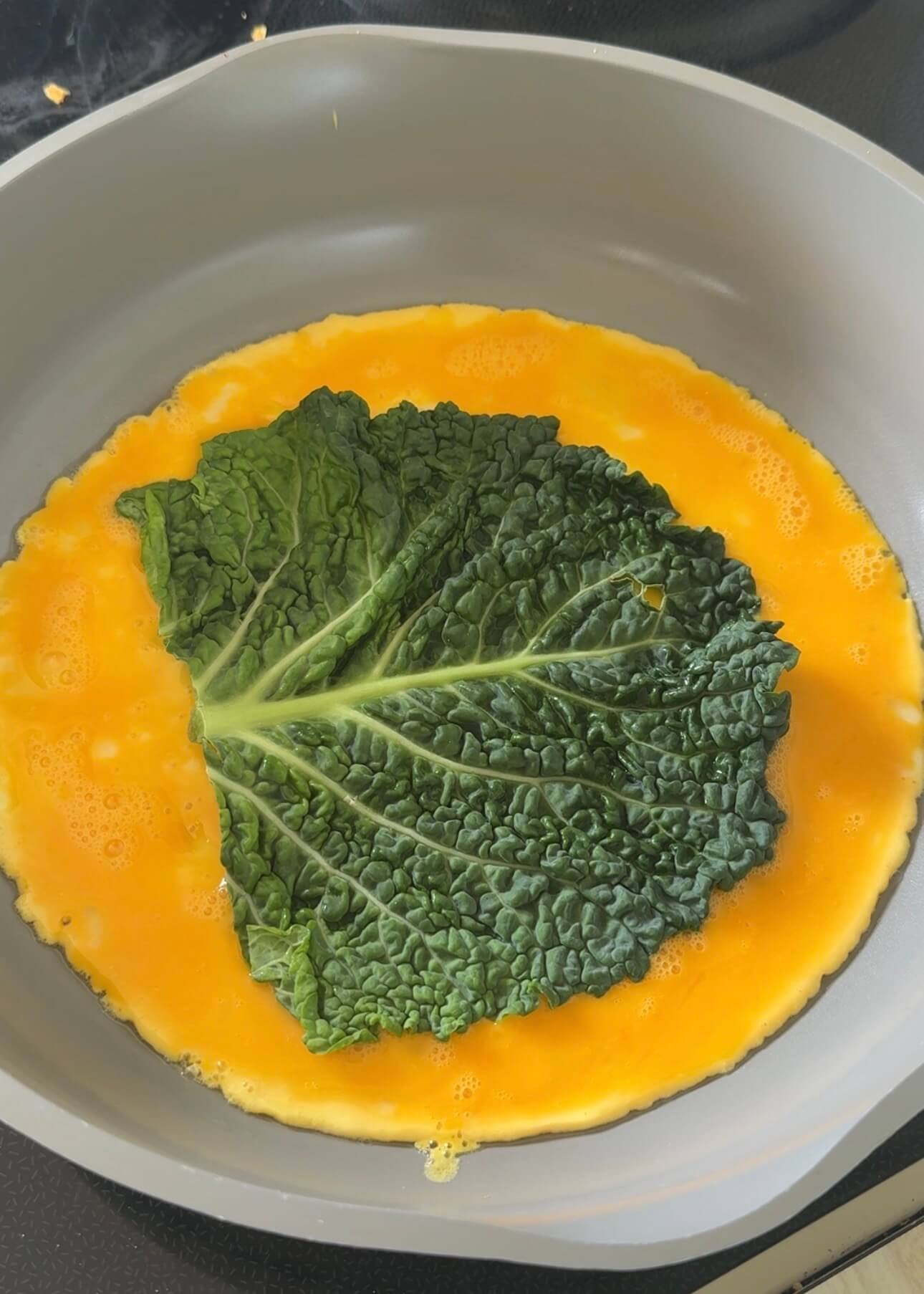
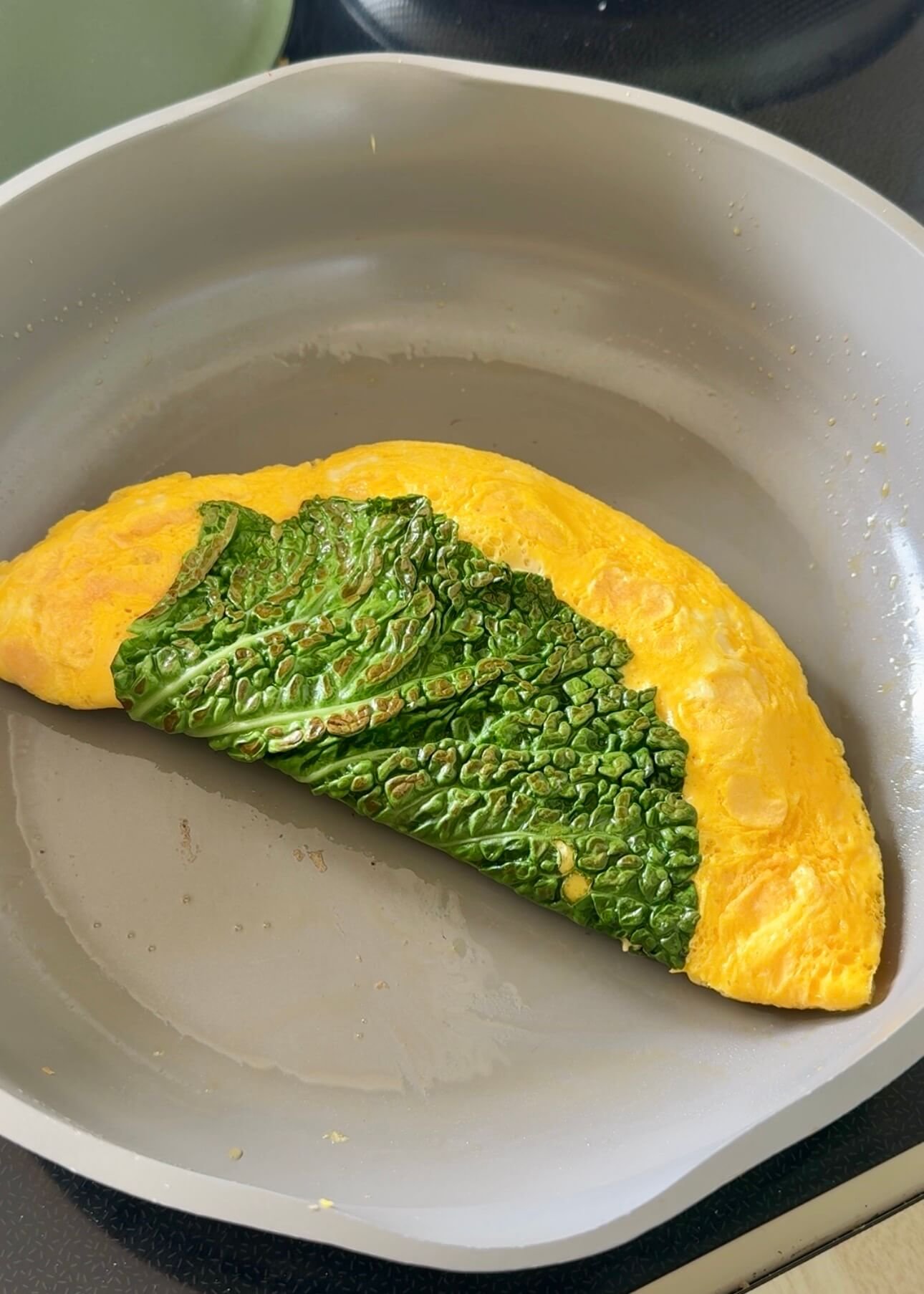
- Place the cabbage leaf on top of the egg. Cover and cook for ~5 minutes.
Covering helps the egg cook evenly. - Flip carefully.
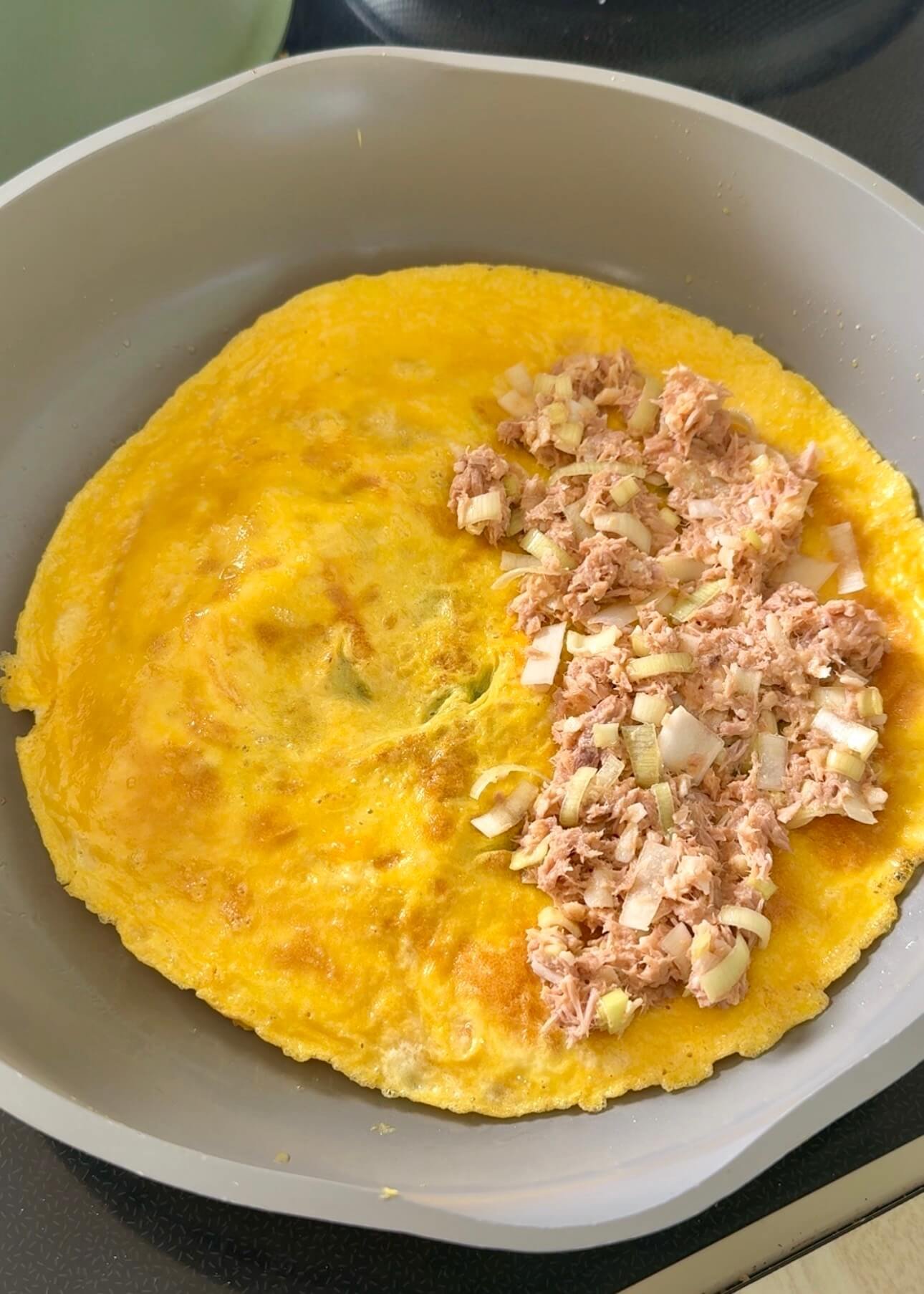
- Add the tuna mixture to one half and fold over.
- Cook for another 2–3 minutes, flipping once if needed.
If you like this recipe why not try these?
Customization Options
Protein Boost
- Add extra tuna or egg whites
- Use high-protein cheese
Make It Lower Calorie
- Swap mayo for Greek yogurt
- Reduce cheese slightly
Make It Vegetarian
- Replace tuna with mashed chickpeas or tofu
Make It Kid-Friendly
- Skip sriracha and keep flavours mild
Meal Prep, Storage, and Reheating
- Best eaten fresh
- Store in fridge up to 2 days
- Reheat in a pan or microwave
Freezer: Not recommended
Does reheating affect protein quality?
Protein content remains stable, though texture may change slightly.
How This Fits Into a Balanced Diet
This tuna melt cabbage omelette is a great example of how to build a protein focused meal using simple ingredients. Including meals like this can help support overall protein intake without needing complicated recipes.
Balanced eating isn’t about removing foods — it’s about combining them in a way that supports your needs and keeps meals enjoyable.
FAQs
Can you put tuna in an omelette?
Yes, tuna works well in omelettes and adds a convenient source of protein.
How much protein is in a tuna omelette?
This recipe provides around 30–35g of protein per serving.
What’s the difference between red cabbage vs green cabbage?
Both are similar nutritionally, though red cabbage contains slightly more antioxidants.
How many calories are in a 2 egg cheese omelette?
Typically around 250–350 kcal depending on cheese and cooking method.
Is tuna and egg a healthy combination?
They can be a useful combination as they provide protein and fats that may support satiety.
Final Thoughts
This tuna melt cabbage omelette is a simple, high-protein recipe that’s easy to adapt and works for any time of day. It’s a practical way to include more protein without overcomplicating your meals.
If you enjoyed this recipe, subscribe to my blog to receive my weekly meal planner template + shopping list template + weekly habit tracker + pantry staples guide for FREE to make balanced eating even easier.
Alex 🙂
High Protein Tuna Melt Cabbage Omelette (Easy Low Carb Recipe)
If you’re looking for a quick, high-protein meal that’s both satisfying and easy to make, this tuna melt cabbage omelette is a great option. It combines creamy tuna filling with a soft, slightly crispy egg base for a simple but filling dish.
As a certified nutrition coach, I focus on meals that support protein intake while still being practical and enjoyable.
Ingredients
Instructions
-
Wash the cabbage leaf, remove the thick stem, and pat dry.

-
In a bowl, mix tuna, leek, mayo, sriracha, garlic granules, and salt. Mix until creamy for easier spreading.
-
Preheat a non-stick or ceramic pan over medium heat. Add a small amount of oil if needed.
-
Whisk the eggs with a pinch of salt and pour into the pan.
-
Place the cabbage leaf on top of the egg. Cover and cook for ~5 minutes. Covering helps the egg cook evenly.
-
Flip carefully.
-
Add the tuna mixture to one half and fold over.
-
Cook for another 2–3 minutes, flipping once if needed.
Nutrition Facts
Nutrition Facts
Servings: 1 ServingCalories:390kcalTotal Fat:26gTotal Carbohydrate:6gDietary Fiber: 2gSugars: 3gProtein:33g
Note
Protein Boost
- Add extra tuna or egg whites
- Use high-protein cheese
Make It Lower Calorie
- Swap mayo for Greek yogurt
- Reduce cheese slightly
Make It Vegetarian
- Replace tuna with mashed chickpeas or tofu
Make It Kid-Friendly
- Skip sriracha and keep flavours mild
- Best eaten fresh
- Store in fridge up to 2 days
- Reheat in a pan or microwave
Freezer: Not recommended