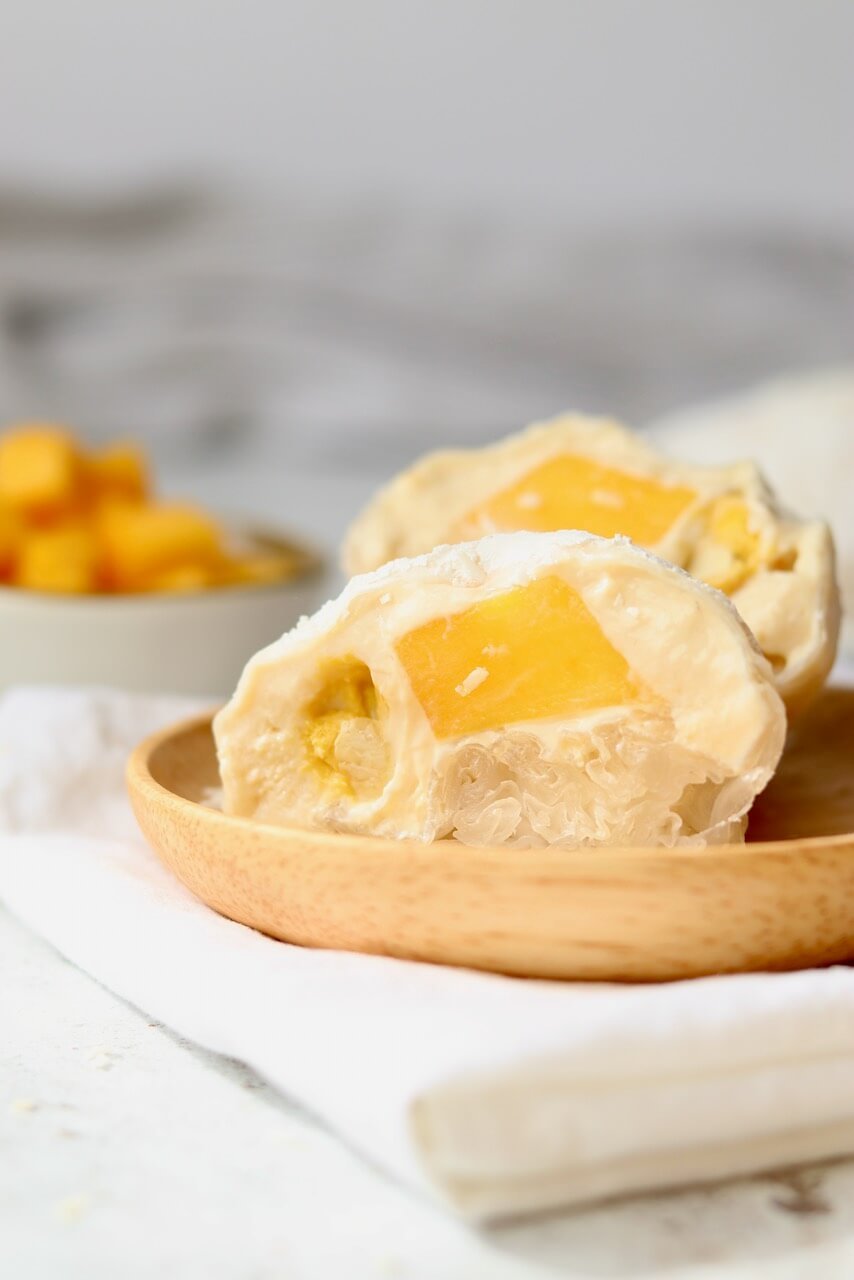


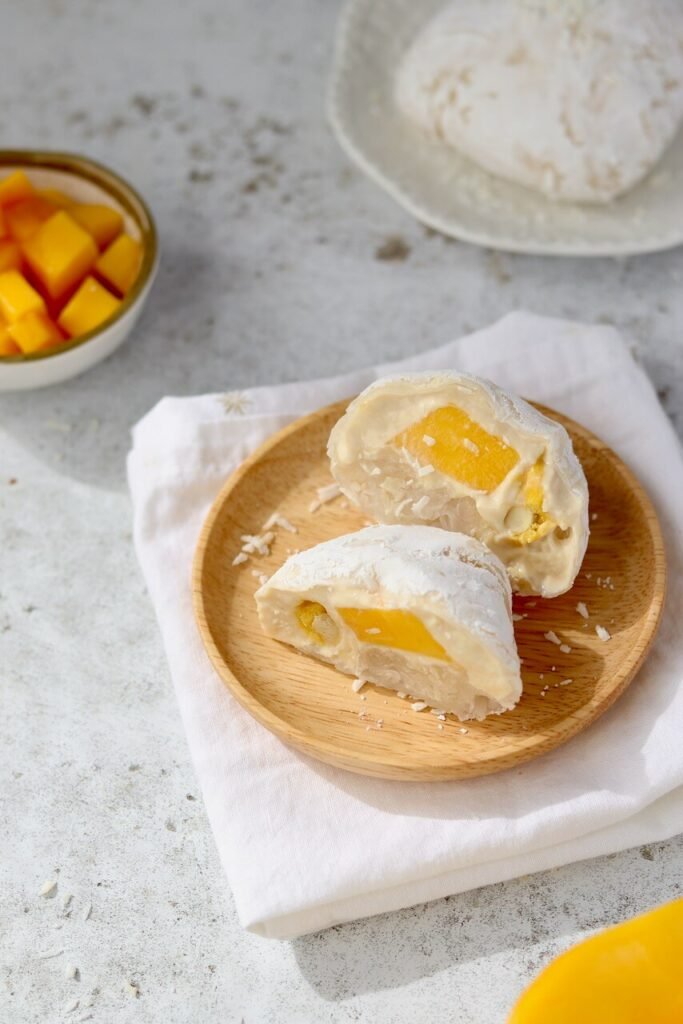
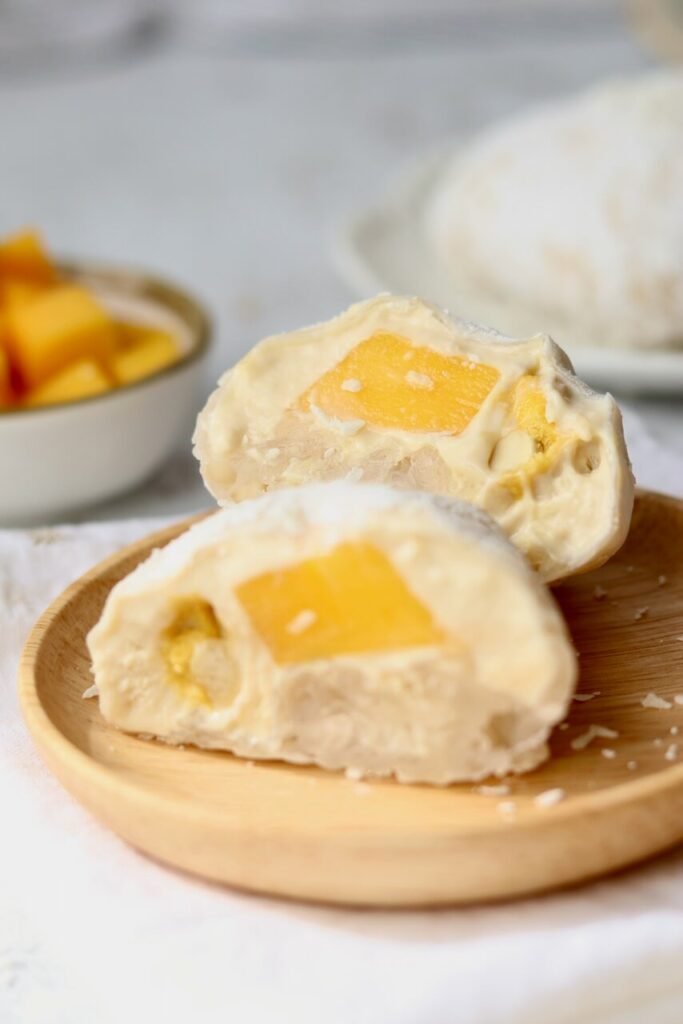
This Mango Mochi Recipe uses softened rice paper sheets instead of traditional glutinous rice flour dough, filled with high-protein mango yoghurt, fresh mango, and Vilgain Mango Moons, cashew nuts coated in freeze-dried mango powder. The recipe makes 2 large mochi, each containing around 164 kcal and 9g of protein. They take about 20 minutes to assemble and need 3 hours to freeze.
If you love mochi but have never tried making it at home because traditional recipes seem too complicated, this rice paper version is about to change everything. Creamy high-protein mango yoghurt, juicy fresh mango, and the most satisfying crunch of Vilgain Mango Moons, all wrapped in softened rice paper and frozen until beautifully firm. As a certified nutrition coach, I’m always drawn to recipes that feel like a treat but are built on genuinely nourishing ingredients and this one delivers on both counts in the most delicious way.
In this post you’ll learn:
- Why rice paper makes a brilliant mochi wrapper and how it behaves once frozen
- How to fill, fold, and freeze these mochi without them falling apart
- How to customise them for different flavours and dietary needs
For more high-protein ideas, browse the full High-Protein Recipes roundup →
Why This Mango Mochi Recipe Works
The genius of this recipe is the rice paper wrapper. Traditional mochi uses glutinous rice flour cooked into a sticky, stretchy dough, which is delicious but requires time, technique, and specialist ingredients. Rice paper achieves a remarkably similar effect when softened in cold water and then frozen, it becomes pliable, slightly sticky, and sets into a pleasantly chewy outer layer that mimics the mochi texture beautifully. It’s naturally gluten-free, low in calories, and requires zero cooking.
The filling is where the nutrition really happens. Alpro High Protein Yoghurt provides 15g of protein across the whole 200g pot, split across two generous mochi, each one delivers 7.5g of protein from the yoghurt alone. Fresh mango adds natural sweetness, vitamin C, and a juicy texture that contrasts beautifully with the creamy yoghurt. And the Vilgain Mango Moons, cashew nuts coated in freeze-dried mango powder, add a concentrated burst of mango flavour and a satisfying crunch in the centre of each bite that makes these genuinely special.
The frozen format transforms the whole experience. Once set, these mochi have a firm, ice cream-like quality that makes them feel far more indulgent than the ingredient list suggests. Let them sit at room temperature for 10–15 minutes before eating and they soften to the perfect chewy, creamy texture. For more creative frozen treat ideas, check out my high protein frozen snacks.
Macros per mochi:
- Calories: ~164 kcal
- Protein: ~9g
- Carbohydrates: ~29g
- Fat: ~2.75g
- Fibre: ~1.5g
Is This Traditional Mochi?
This is a fair question and worth addressing directly; no, this is not a traditional Japanese mochi recipe. Authentic mochi is made from mochigome (glutinous rice) that is pounded or cooked into a smooth, elastic dough. This recipe takes inspiration from the mochi format, a filled, round, chewy outer layer but uses rice paper as a practical, accessible alternative that most people already have in their kitchen.
Think of it as a mochi-inspired frozen treat rather than an authentic reproduction. The result is genuinely delicious in its own right and captures much of what makes mochi so appealing, the chewiness, the creamy filling, the satisfying portion-controlled format, while being far simpler to make at home. If you love using rice paper in creative ways, take a look at my Rice Paper Cheeseburger Rolls for another unexpected use of this incredibly versatile ingredient.
Nutrition Breakdown
(Per mochi )
- Calories: ~164 kcal
- Protein: ~9g
- Carbohydrates: ~29g
- Fat: ~2.75g
- Fibre: ~1.5g
At around 164 kcal per mochi, these are a genuinely well-balanced frozen treat. The protein content of 9g per piece is exceptional for a dessert-style snack, most comparable frozen treats provide little to no protein. The natural sugars come primarily from the fresh mango and yoghurt rather than any added sugar, making this a wholesome choice for a sweet craving.
Coaching insight: Two mochi as a dessert or snack provides approximately 328 kcal and 18g of protein, a satisfying, protein-rich treat that genuinely earns its place in a balanced diet. The frozen format naturally slows eating, which may support mindful snacking and help you feel satisfied with a smaller portion.
Note: All nutrition values are estimates calculated using Alpro High Protein Mango Yoghurt and Vilgain Mango Moons. Values will vary with different brands. Please verify using your preferred nutrition calculator.
Ingredients + Smart Substitutions
(Makes 2 mochi)
- 2 sheets of rice paper (+ up to 2 extra optional sheets for double wrapping, see coach note in method) — the wrapper that creates the mochi-like chew when softened and frozen. Swap: any standard round rice paper sheets work, size doesn’t matter as long as you can fold them into a ball.
- ½ fresh mango, chopped (~150g) — naturally sweet, juicy, and packed with vitamin C. Swap: frozen mango pieces thawed and patted dry; tinned mango in juice drained well. Fresh gives the best texture.
- 2 Vilgain Mango Moons — cashew nuts coated in freeze-dried mango powder, one per mochi. They add an intense mango flavour hit and a satisfying crunch in the very centre of each bite. Swap: a single whole cashew nut works if Vilgain Moons are unavailable, you lose the mango coating but keep the textural contrast.
- 200g Alpro High Protein Mango Yoghurt — the entire pot goes into this recipe, providing 15g of protein across both mochi. Swap: any high-protein yoghurt in a complementary flavour, vanilla, coconut, or plain all work beautifully with fresh mango.
- 20g cornflour, for dusting — prevents the rice paper from sticking together after freezing. Swap: tapioca starch or potato starch work equally well.
If you’re adjusting based on your goals, here’s how it may change the macros: using a standard Greek yoghurt instead of Alpro High Protein reduces protein by approximately 3–4g per mochi; double wrapping each mochi with an extra rice paper sheet adds approximately 30 kcal and 7g of carbohydrates per mochi.
How to Make Mango Mochi with Rice Paper
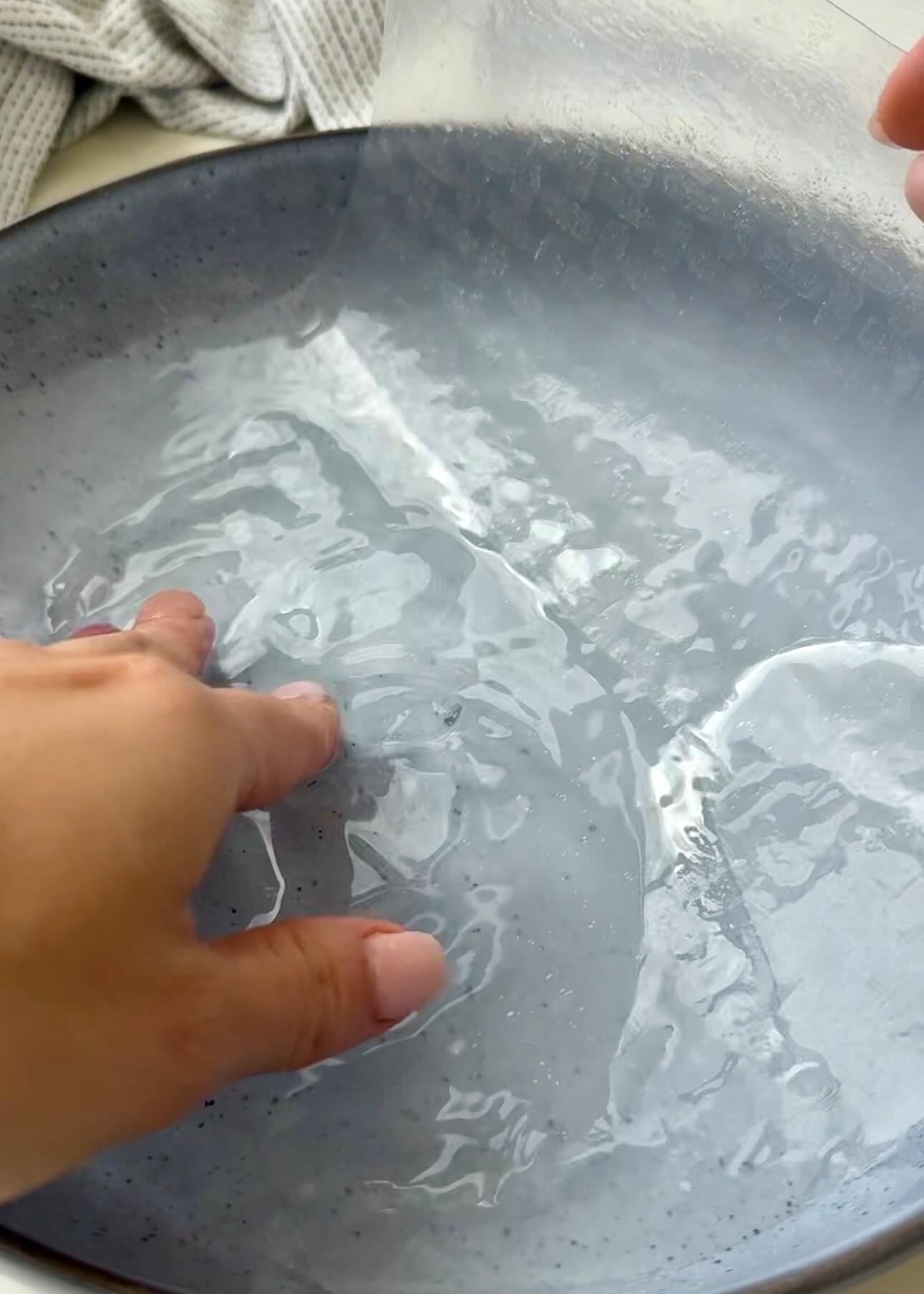
Step 1: Soften the rice paper Fill a wide shallow bowl with cold water. Submerge one sheet of rice paper for around 2 minutes until fully softened and pliable, it should be slightly translucent and flexible without tearing.
💡 Coach note: Use cold water, not warm. Warm water makes rice paper too soft and fragile to handle. It should still have a little resistance when you lift it, it will continue to soften slightly as you work.
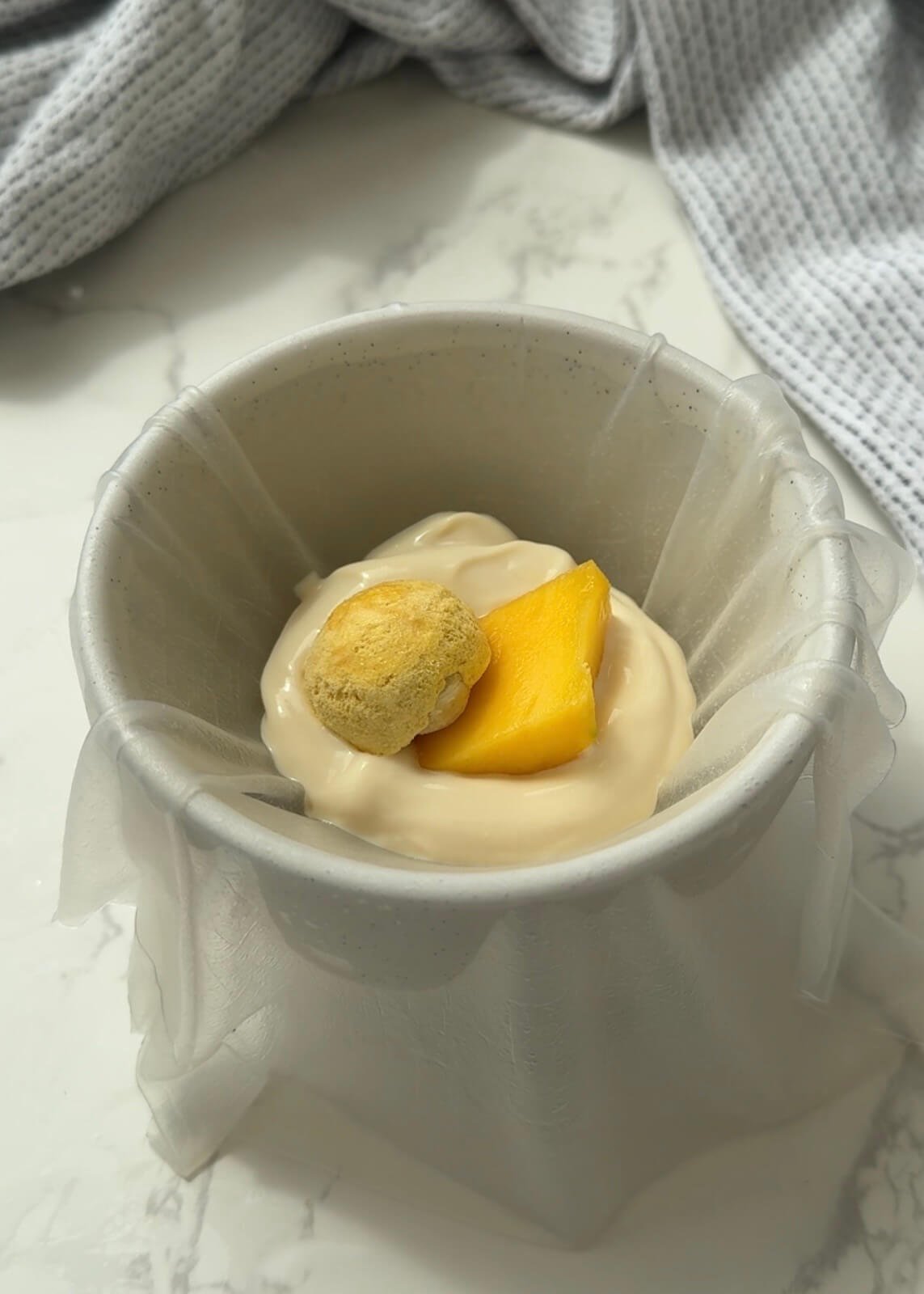
Step 2: Set up your filling station Drape the softened rice paper over a small bowl, this creates a natural cupped shape for filling. Spoon 50g of Alpro High Protein Yoghurt into the centre, add half the fresh mango pieces, and place one Vilgain Mango Moon in the very centre. Spoon another 50g of yoghurt on top to encase the filling.
💡 Coach note: Don’t overfill, it’s tempting to add more but a slightly smaller filling makes folding much easier and creates a neater finished mochi. The rice paper is more generous than you might expect.
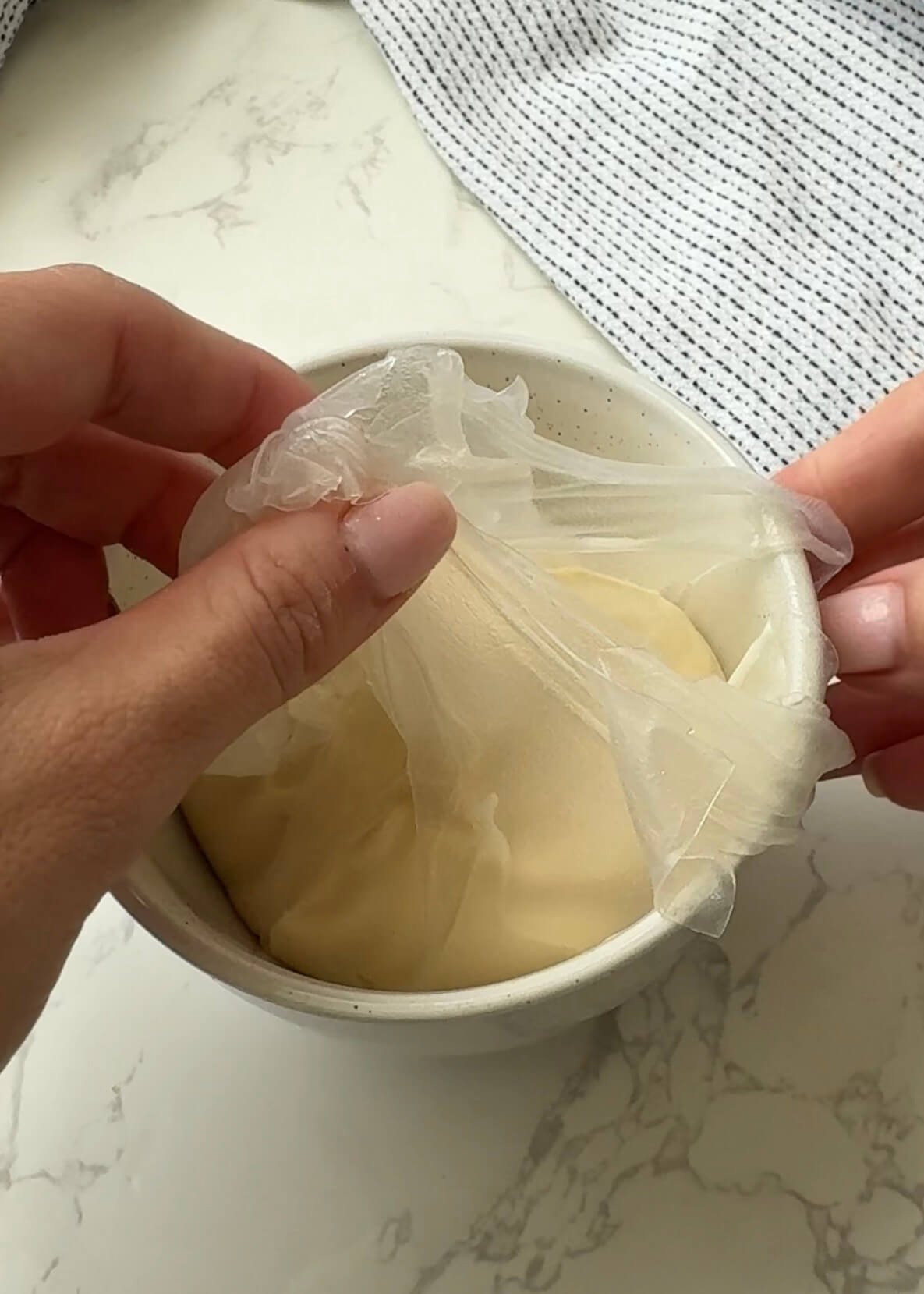
Step 3: Fold and seal Gather the edges of the rice paper up around the filling, folding them inward to fully encase it. Twist the excess rice paper at the top to secure, like wrapping a round parcel. Place on a parchment-lined tray.
💡 Coach note: Want a thicker, chewier outer layer closer to traditional mochi? Dip a second sheet of rice paper in cold water, soften it, and wrap each mochi again in the opposite direction. This adds approximately 30 kcal and 7g of carbohydrates per mochi but gives a noticeably more satisfying texture and makes the filling far more secure in the freezer. Highly recommended if you are new to making these.
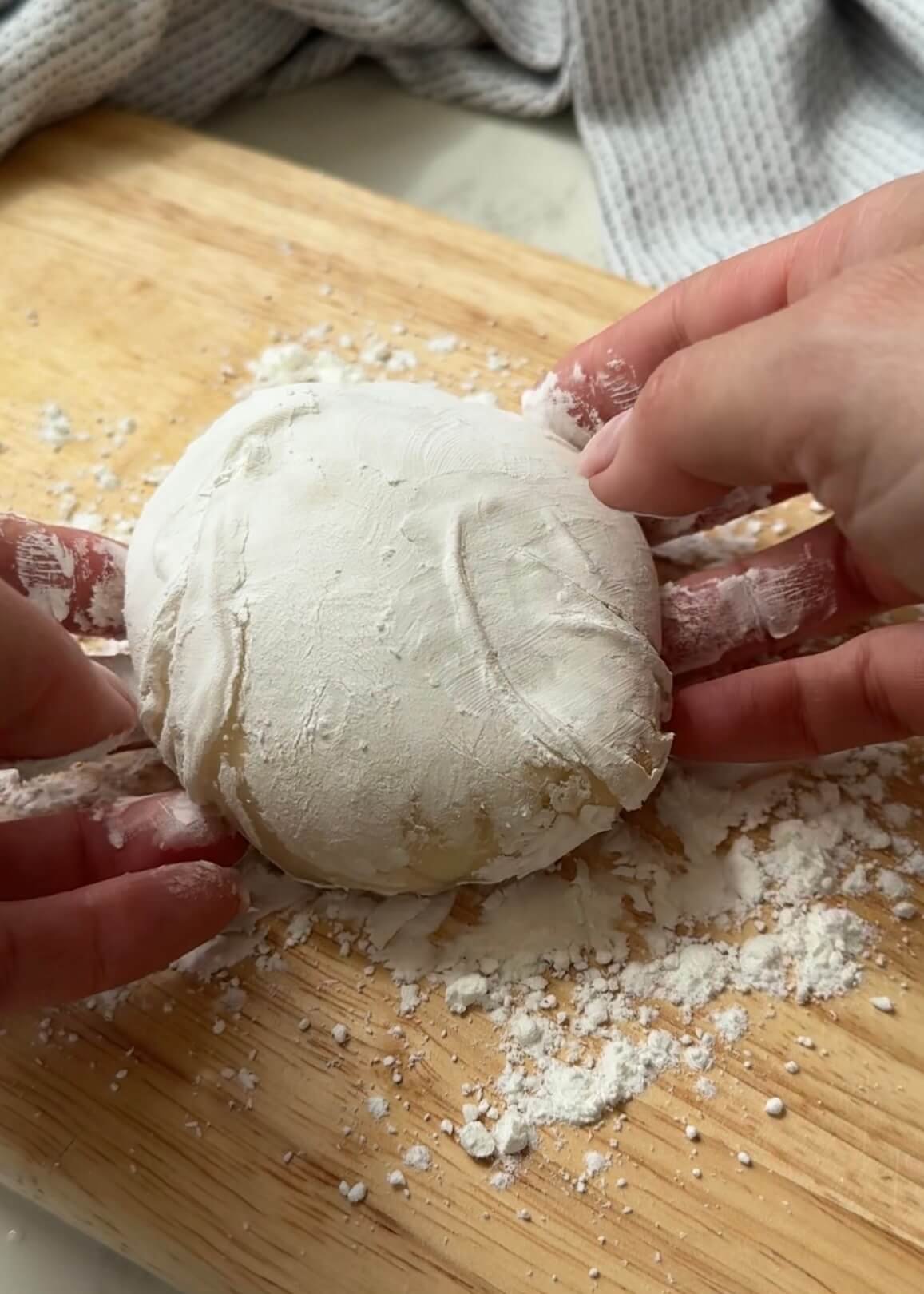
Step 4: Dust and freeze Dust the finished mochi generously with cornflour on all sides to prevent sticking. Repeat steps 1–3 with the remaining ingredients to make the second mochi. Place the tray in the freezer for at least 3 hours until completely firm.
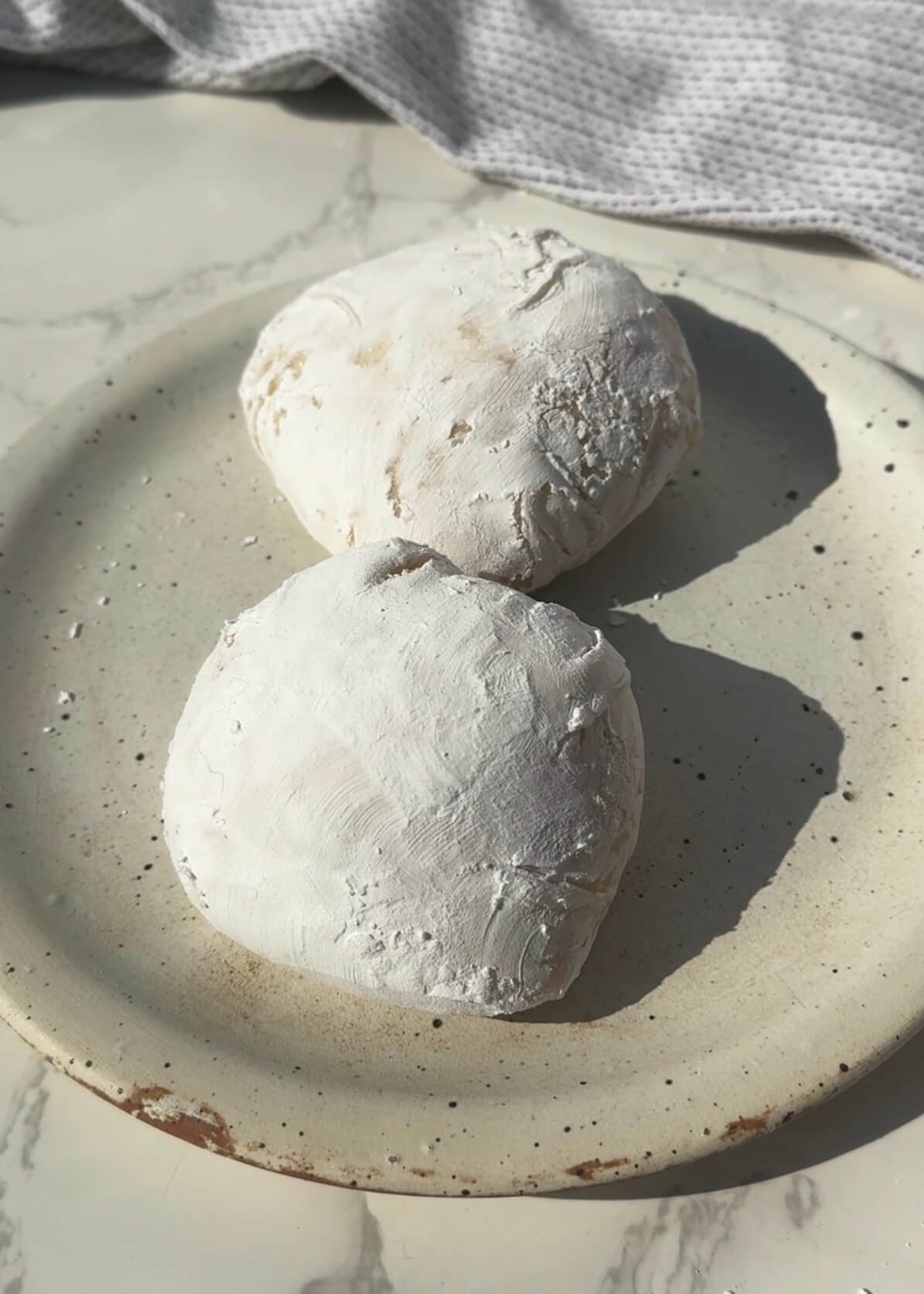
Step 5: Serve When ready to eat, remove from the freezer and leave at room temperature for 10–15 minutes. The rice paper will become deliciously chewy and the yoghurt filling will reach a perfect soft-frozen consistency. Enjoy immediately.
Customisation Options
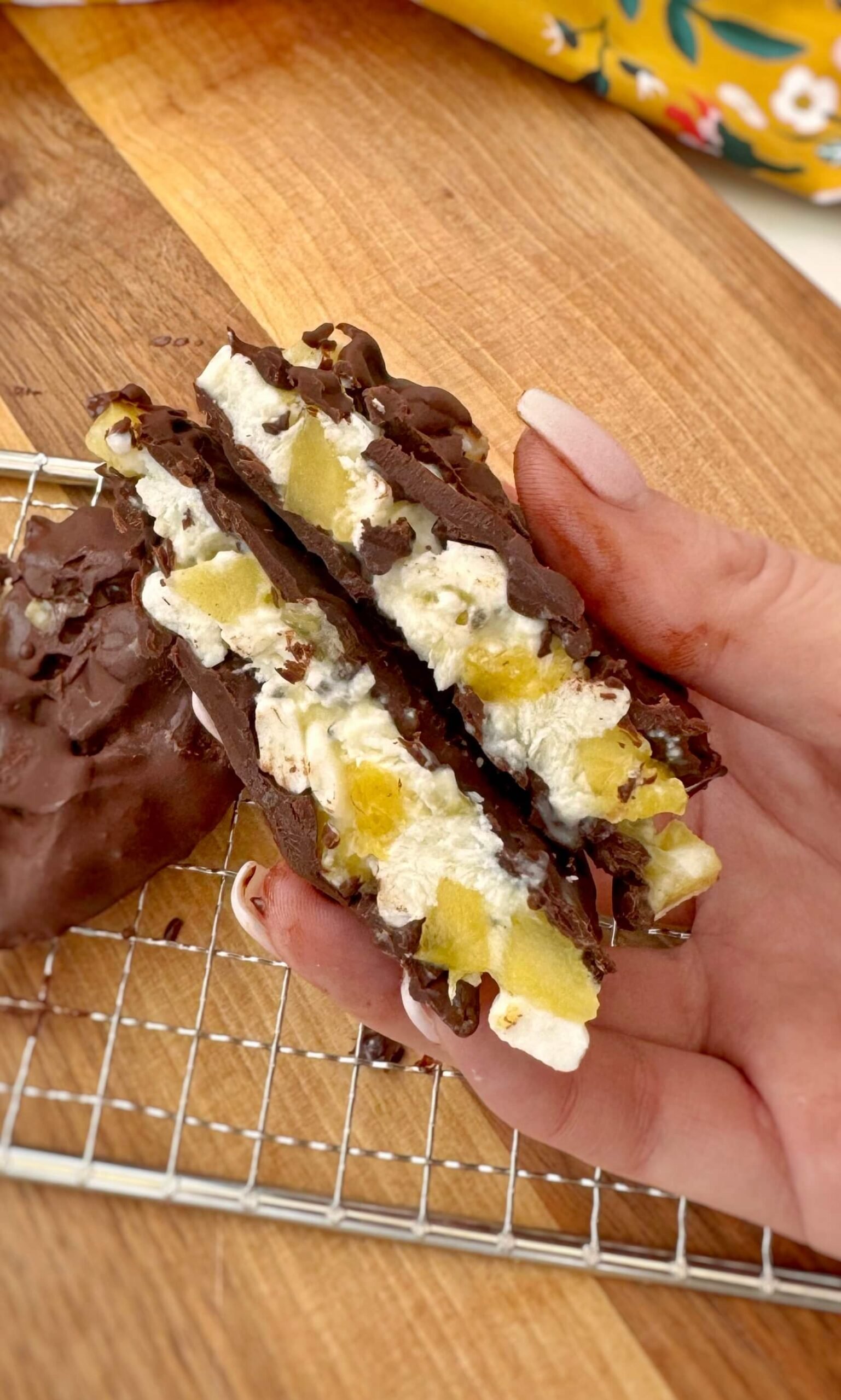
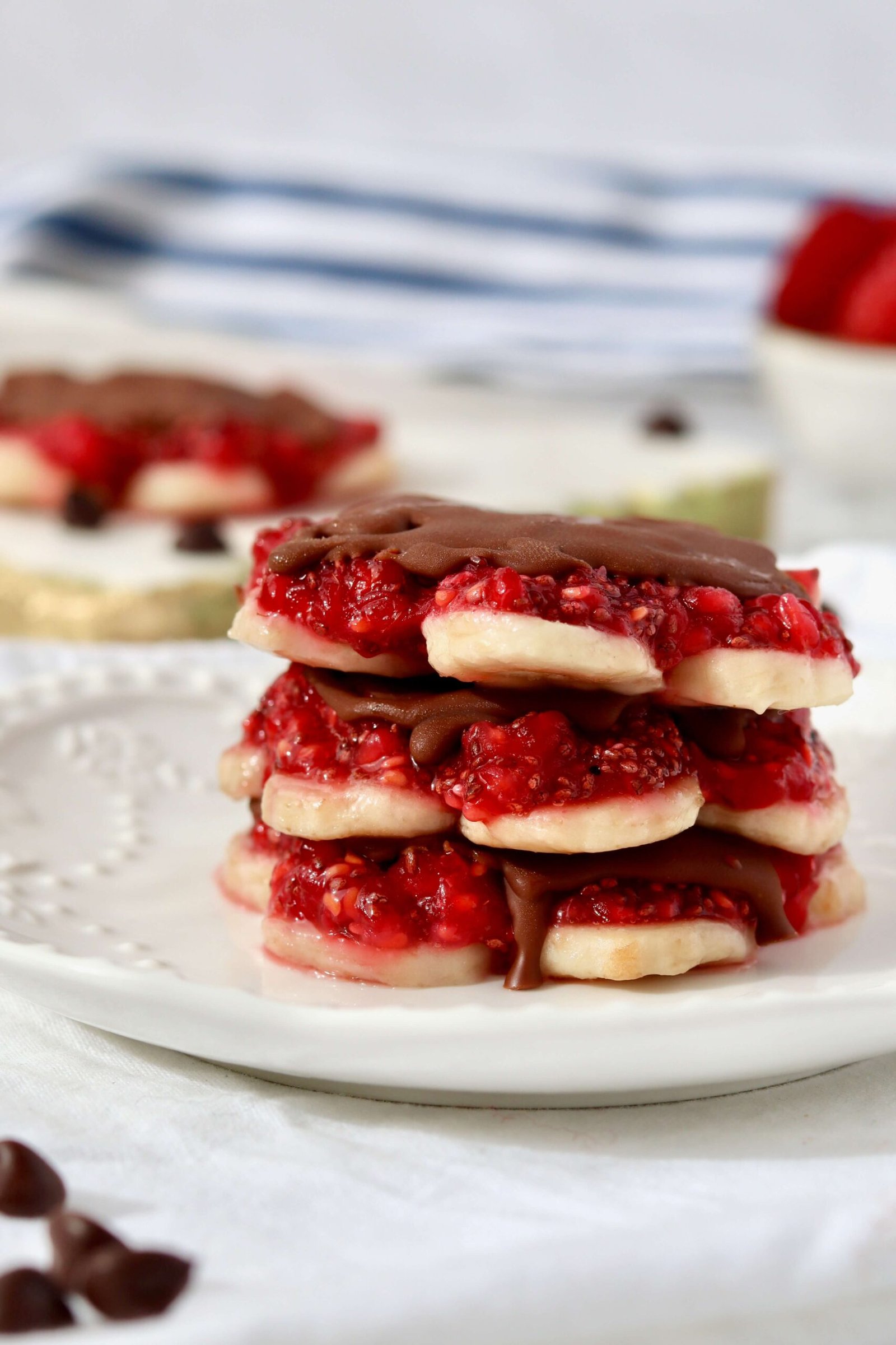
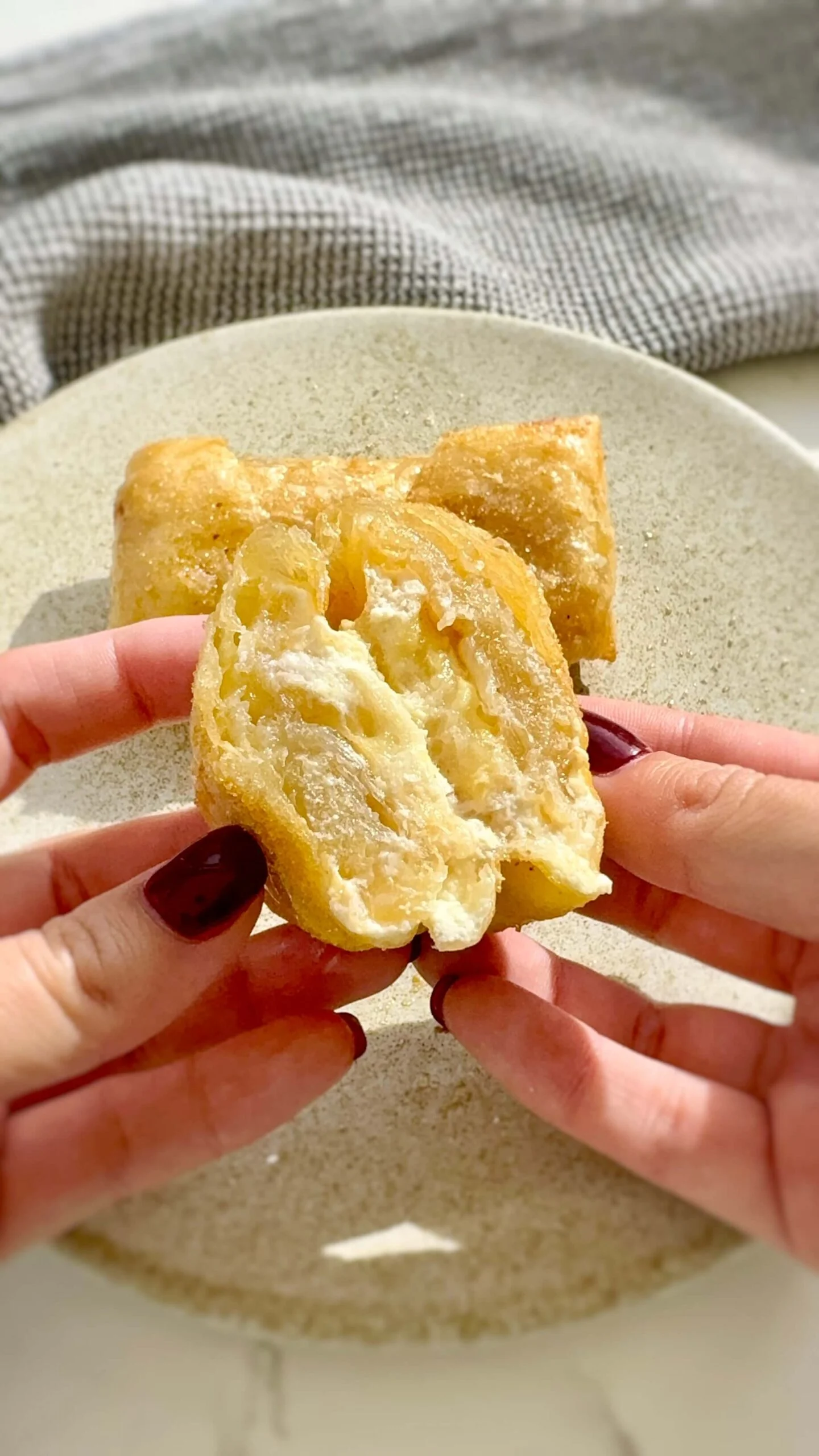
Change the Flavour This recipe works beautifully with almost any fruit and yoghurt combination. Try strawberry yoghurt with fresh raspberries and Vilgain Strawberry Moons, or vanilla yoghurt with passion fruit and fresh pineapple for a tropical twist. The rice paper wrapper is neutral enough to complement any filling.
Make It Higher Protein Stir a half scoop of unflavoured protein powder into the yoghurt before filling, this adds approximately 15g of protein across the batch, pushing each mochi to around 16–17g of protein without changing the flavour or texture.
Make It Lower Calorie Use a low-fat high-protein yoghurt and skip the Vilgain Moons, replace with a small piece of fresh mango in the centre instead. This saves approximately 24 kcal per mochi while keeping the protein content largely intact.
Make It Kid-Friendly These are already a brilliant treat for older children, colourful, fun to eat, and naturally sweet. Use a mild fruit yoghurt and let kids choose their own filling. A great activity to make together before freezing.
Scale Up The recipe doubles or quadruples easily, simply multiply all ingredients proportionally. Make a bigger batch on the weekend and store in the freezer for up to 2 weeks for a ready-to-go treat anytime.
Storage and Serving
Once frozen, transfer the mochi to an airtight container or zip-lock bag with parchment paper between them to prevent sticking. Store in the freezer for up to 2 weeks.
Always dust with cornflour before freezing, this is the key step that prevents the rice paper from sticking to itself or the container.
To serve: Remove from the freezer and rest at room temperature for 10–15 minutes before eating. This is the step most people skip and then wonder why the mochi is too hard, the resting time is essential for the perfect chewy texture. Do not microwave to defrost as this will make the rice paper rubbery and the filling watery.
Do not refreeze once thawed, make only what you plan to eat within the next few days if removing from the freezer.
How This Fits Into a Balanced Diet
These Mango Mochi sit perfectly within a non-restrictive, balanced approach to eating. At 164 kcal per piece with 9g of protein, they are one of the most nutritionally generous frozen treats you can make at home, far ahead of commercial ice cream bars, shop-bought mochi, or most supermarket frozen desserts in terms of protein content and ingredient quality.
As a nutrition coach I always encourage finding versions of the foods you love that work with your goals rather than against them. A frozen mochi that tastes genuinely indulgent, uses whole food ingredients, and contributes meaningfully to your daily protein intake is exactly the kind of recipe that makes healthy eating feel sustainable and enjoyable long term.
FAQs
Is mango mochi healthy? This rice paper mango mochi is a genuinely nutritious frozen treat. Each mochi provides around 164 kcal and 9g of protein, significantly more protein than most comparable frozen desserts. The filling uses high-protein yoghurt and fresh mango rather than cream or added sugar, and the rice paper wrapper is naturally low in calories and gluten-free. As part of a balanced diet, these mochi make an excellent portion-controlled treat.
Is this a traditional mochi recipe? No, traditional Japanese mochi is made from mochigome glutinous rice flour cooked and pounded into a smooth, elastic dough. This recipe is a mochi-inspired frozen treat that uses softened rice paper as an accessible, no-cook alternative. The result captures the chewy outer layer and creamy filling that makes mochi so popular, while being far simpler to make at home with everyday ingredients.
How many calories are in mango mochi? Each mochi in this recipe contains approximately 164 kcal, calculated using Alpro High Protein Mango Yoghurt and Vilgain Mango Moons. If you double wrap each mochi with an extra rice paper sheet, add approximately 30 kcal per piece. Commercial mango mochi products vary widely, typically between 80–150 kcal for smaller pieces — but this homemade version is considerably larger and higher in protein than most shop-bought versions.
Can you make mochi with rice paper instead of glutinous rice flour? Yes, and it works surprisingly well. When softened in cold water and then frozen around a filling, rice paper develops a pleasantly chewy texture that mimics traditional mochi dough. It is not identical, the stretch and elasticity of glutinous rice flour is difficult to replicate, but for a quick, accessible home version it is a very satisfying alternative that requires no specialist ingredients or cooking.
What are Vilgain Mango Moons? Vilgain Mango Moons are cashew nuts coated in freeze-dried mango powder. They are 50% cashew and 50% freeze-dried mango, with no preservatives, no artificial colours, and no added sugar. They add an intense, concentrated mango flavour and a crunchy texture to the centre of each mochi. They are available from vilgain.co.uk using code ALEX you get 10% off, they are also delicious on their own as a snack or sprinkled over yoghurt and porridge.
Final Thoughts
These Mango Mochi prove that you don’t need specialist ingredients, complicated techniques, or hours in the kitchen to make something that looks beautiful and tastes extraordinary. Two ingredients most people already have; rice paper and yoghurt, plus a handful of fresh mango and the magic of Vilgain Mango Moons, and you have a frozen treat that genuinely impresses.
Make them the night before, leave them in the freezer, and pull them out for the most satisfying mid-afternoon snack or post-dinner treat. Once you’ve made them once, you won’t stop experimenting with flavours.
Subscribe to my blog and get my free weekly meal planner template to build more balanced, enjoyable breakfasts like this one into your week with ease.
Alex 🙂
Mango Mochi Recipe with Rice Paper (High-Protein, Frozen)
A mochi-inspired frozen treat made with softened rice paper, creamy Alpro High Protein Mango Yoghurt, fresh mango, and a Vilgain Mango Moon in the centre of each one. No glutinous rice flour, no cooking, and genuinely impressive, 9g of protein per piece straight from the freezer.
Ingredients
Instructions
Soften the rice paper
-
Fill a wide shallow bowl with cold water. Submerge one sheet of rice paper for around 2 minutes until fully softened and pliable, it should be slightly translucent and flexible without tearing.

Set up your filling station
-
Drape the softened rice paper over a small bowl, this creates a natural cupped shape for filling. Spoon 50g of Alpro High Protein Yoghurt into the centre, add half the fresh mango pieces, and place one Vilgain Mango Moon in the very centre. Spoon another 50g of yoghurt on top to encase the filling.
Fold and seal
-
Gather the edges of the rice paper up around the filling, folding them inward to fully encase it. Twist the excess rice paper at the top to secure, like wrapping a round parcel. Place on a parchment-lined tray.
Dust and freeze
-
Dust the finished mochi generously with cornflour on all sides to prevent sticking. Repeat steps 1–3 with the remaining ingredients to make the second mochi. Place the tray in the freezer for at least 3 hours until completely firm.
Serve
-
When ready to eat, remove from the freezer and leave at room temperature for 10–15 minutes. The rice paper will become deliciously chewy and the yoghurt filling will reach a perfect soft-frozen consistency. Enjoy immediately.
Nutrition Facts
Nutrition Facts
Servings: 2 ServingCalories:164kcalTotal Fat:2.7gTotal Carbohydrate:29gDietary Fiber: 1.5gProtein:9g
Note
- Always use cold water to soften rice paper, warm water makes it too fragile to handle
- Double wrapping adds approximately 30 kcal and 7g carbohydrates per mochi but gives a chewier, more secure result
- Dust generously with cornflour before freezing to prevent sticking
- Rest at room temperature for 10–15 minutes before eating, do not microwave
- Keeps in the freezer for up to 2 weeks in an airtight container
- Macros calculated using Alpro High Protein Mango Yoghurt and Vilgain Mango Moons, values will vary with different brands