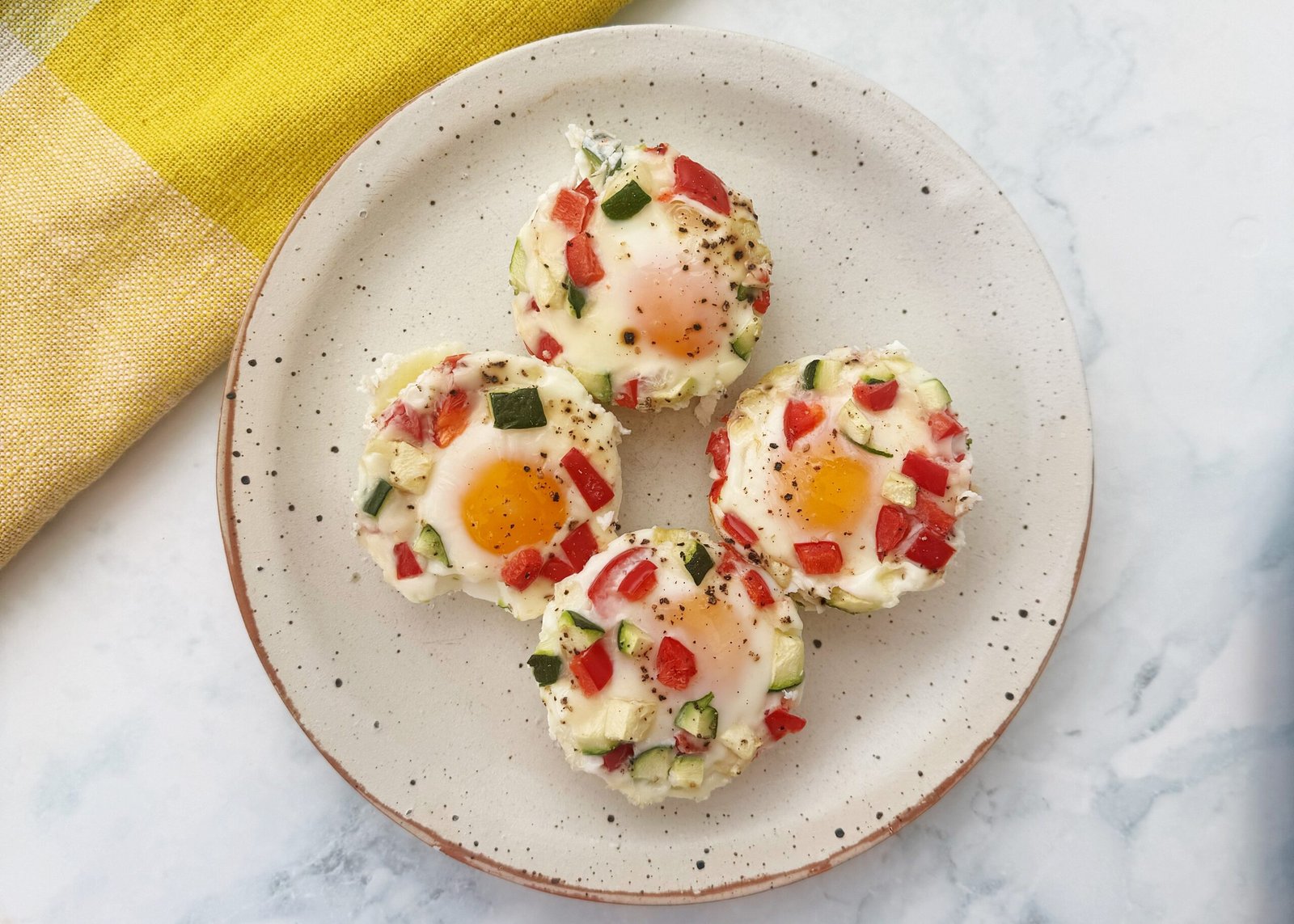


Looking for a healthy, quick breakfast or a nutritious snack that’s packed with protein and full of vibrant vegetables? These Veggie Breakfast Egg Cups are the perfect solution! Whether you’re on the go in the morning, need something to prepare in advance for a busy week, or just want a light yet filling snack, these egg cups have you covered. With the goodness of eggs, reduced-fat cheese, and colourful veggies, it’s the perfect way to fuel your day. And the best part? They’re incredibly easy to make, requiring only a few simple ingredients and just a short time in the oven or air fryer.
These Veggie Breakfast Egg Cups are versatile, allowing you to play around with different ingredients based on what you have on hand. You can even make a batch ahead of time and store them for later, making your mornings or snack times stress-free. If you’ve got picky eaters at home or you’re trying to up your veggie intake, these Veggie Breakfast Egg Cups are a sneaky and tasty way to do so. Plus, with only 70 kcal per egg cup, it’s a guilt-free snack or breakfast to keep you satisfied.
Whether you enjoy them warm or cold, these egg cups are packed with flavour and nutrients that make them a perfect addition to your meal rotation.
Why You’ll Love These Veggie Breakfast Egg Cups
If you’re looking for a simple, nutritious, and tasty breakfast or snack that’s full of protein and fibre, these Veggie Breakfast Egg Cups will quickly become a favourite. Here’s why:
- Quick and Easy: You can prep and cook these in under 20 minutes, making them perfect for busy mornings or meal prepping.
- Packed with Nutrients: High in protein, low in carbs, and loaded with fresh vegetables, they’re a great way to start your day or refuel throughout.
- Customisable: You can swap out the veggies or cheese based on your preferences or what you have in the fridge.
- Meal Prep Friendly: Make a batch ahead of time for the week, and enjoy a nutritious grab-and-go breakfast or snack anytime.
These Veggie Breakfast Egg Cups are a fantastic way to get your veggie intake, enjoy a protein-packed snack, or switch up your typical breakfast. Plus, they’re so easy to make and can be tailored to your taste.
Ingredients (Makes 6 Egg Cups)
- 30g reduced-fat grated cheese (1 oz): A lighter version of cheese, which still provides a great flavour without the extra fat. You can use cheddar, mozzarella, or even a mix of both.
- 6 large eggs: The base of these Veggie Breakfast Egg Cups, providing the protein and structure. Eggs are also rich in vitamins and minerals.
- 100g (1 cup) chopped vegetables (peppers, courgette, etc.): Packed with fibre, vitamins, and antioxidants, these veggies add both nutrition and colour. You can also mix in your favourite vegetables like spinach or mushrooms.
- Low-calorie spray (for greasing the muffin tin): A healthier option to prevent sticking while keeping the dish light.
Method
- Preheat your oven or air fryer:
- Oven: Preheat to 180°C (fan-assisted) / 350°F.
- Air fryer: Set to 170°C / 340°F.
- Prepare your muffin tin:Lightly spray a muffin tin with low-calorie cooking spray to prevent sticking.
- Assemble the egg cups:
- Divide the grated cheese evenly between the muffin cups.
- Crack one egg into each cup, ensuring the yolk stays intact.
- Sprinkle the chopped vegetables over the top of the egg.
- Bake or air fry:
- Oven: Bake for 12–15 minutes, or until the egg whites are set, but the yolks are still slightly runny (or fully cooked, depending on your preference).
- Air fryer: Cook at 170°C / 340°F for 10–12 minutes.
- Serve and enjoy:Let the egg cups cool slightly before removing them from the tin. They’re delicious hot or cold!
Nutrition
Per Egg Cup:
- 70 kcal
- 6g protein
- 1g carbs
- 4.6g fat
Tips for Making These Veggie Breakfast Egg Cups
- Avoid Overcooking: Keep a close eye on your egg cups while baking or air frying. The egg whites should be fully set, but the yolk can remain slightly runny for extra richness.
- Mix up the Veggies: If you have other vegetables on hand, feel free to use them! Mushrooms, spinach, or tomatoes are all great choices that add a burst of flavour and nutrients.
- Cheese Swap: Experiment with different cheeses to change the flavour profile. Feta, goat’s cheese, or even a sprinkle of Parmesan can bring new life to these Veggie Breakfast Egg Cups.
- Double the Batch: If you’re meal prepping, don’t hesitate to double or triple the recipe. These egg cups store well in the fridge and can last for several days.
How to Best Serve These Veggie Breakfast Egg Cups
- Breakfast: Pair these egg cups with a side of wholemeal toast or avocado for a wholesome breakfast that will keep you full until lunch.
- Snack: These egg cups are the perfect portable snack. Pack them in a lunchbox or take them to work for a protein-packed pick-me-up.
- Lunch or Dinner: Serve these egg cups alongside a leafy green salad, roasted veggies, or even some baked sweet potatoes for a well-rounded meal.
Customise These Veggie Breakfast Egg Cups
These Veggie Breakfast Egg Cups are super versatile, and you can make them your own with these simple customisation ideas:
- Swap the Veggies: Choose your favourite veggies like spinach, mushrooms, onions, or even tomatoes.
- Change the Cheese: Experiment with different cheeses such as feta, mozzarella, or goat’s cheese for added flavour.
- Spices and Seasoning: Add some spice with a pinch of chilli flakes, smoked paprika, or fresh herbs like parsley or thyme.
- Add a Protein Boost: If you want even more protein, add a slice of cooked turkey, chicken, or ham into each egg cup.
How to Store These Veggie Breakfast Egg Cups
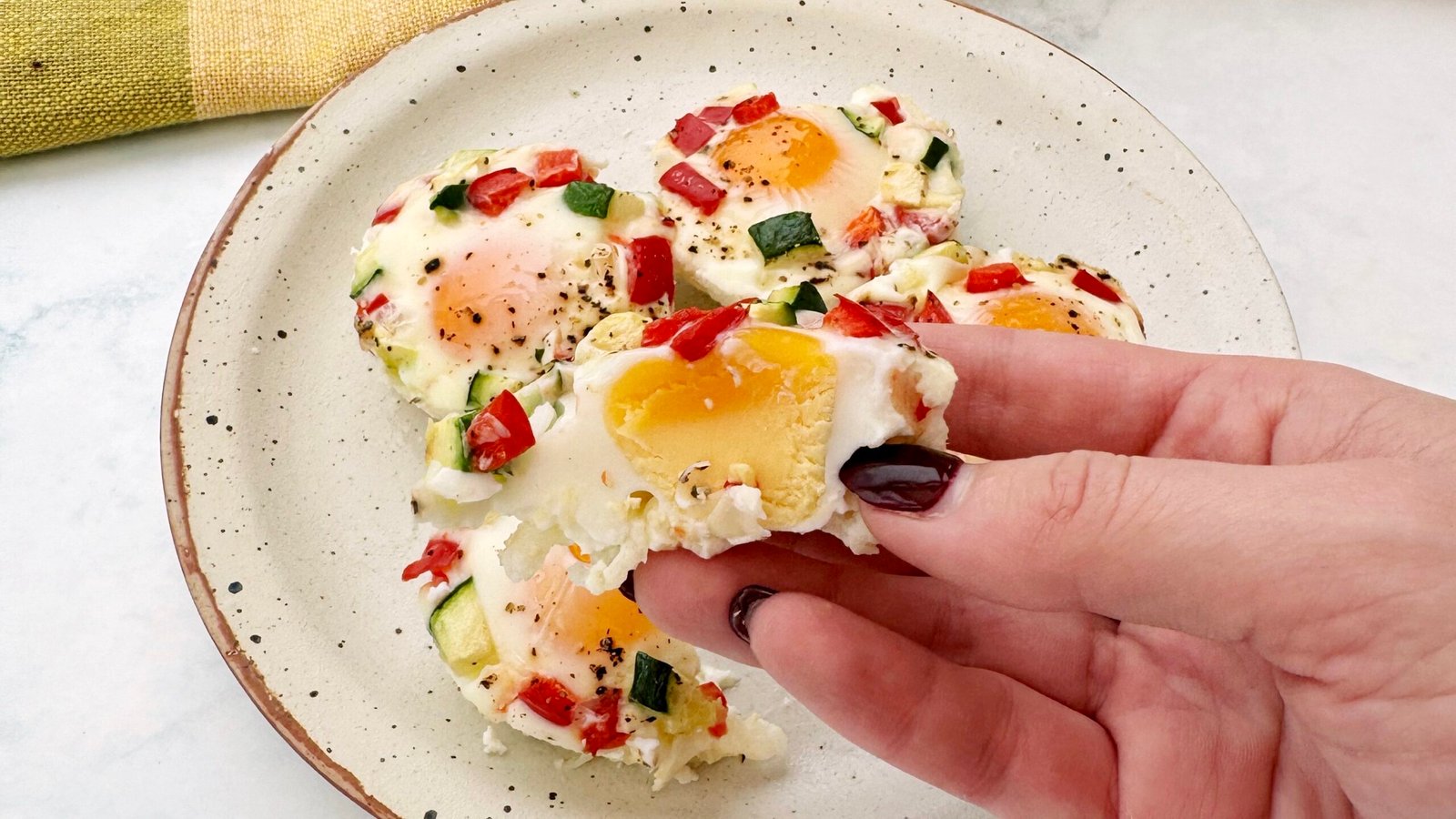
Store the egg cups in an airtight container in the fridge for up to 4 days. For meal prep, you can make a batch and reheat them in the microwave for about 30 seconds. These egg cups are just as tasty cold, so they’re perfect for a quick snack on the go.
Conclusion
These Veggie Breakfast Egg Cups are the ideal addition to your meal prep routine. Packed with protein, vegetables, and delicious cheese, they make for a balanced and nutritious start to your day or a filling snack. These Veggie Breakfast Egg Cups are quick, easy to make, and fully customisable, so you can make them exactly to your liking. Plus, with the ability to prepare them ahead of time, you’ll save yourself time during the week while still enjoying a healthy option.
Try making a batch today and see how these tasty, protein-packed egg cups can simplify your mornings or snack time. Whether you enjoy them warm or cold, they’re sure to become a regular in your recipe rotation. Let me know how they turn out for you!
You can see this recipe on Instagram:
Veggie Breakfast Egg Cups
Ingredients
Instructions
Preheat your oven or air fryer:
-
- Oven: Preheat to 180°C (fan-assisted) / 350°F.
- Air fryer: Set to 170°C / 340°F.
-
Prepare your muffin tin:Lightly spray a muffin tin with low-calorie cooking spray to prevent sticking.
-
Assemble the egg cups:
- Divide the grated cheese evenly between the muffin cups.
- Crack one egg into each cup, ensuring the yolk stays intact.
- Sprinkle the chopped vegetables over the top of the egg.
-
Prepare your muffin tin:Lightly spray a muffin tin with low-calorie cooking spray to prevent sticking.
-
Bake or air fry:
- Oven: Bake for 12–15 minutes, or until the egg whites are set, but the yolks are still slightly runny (or fully cooked, depending on your preference).
- Air fryer: Cook at 170°C / 340°F for 10–12 minutes.
-
Serve and enjoy:Let the egg cups cool slightly before removing them from the tin. They’re delicious hot or cold!
Nutrition Facts
Nutrition Facts
Servings: 1 ServingCalories:70kcalTotal Fat:4.6gTotal Carbohydrate:1gProtein:6g