Hitting your protein goals can feel overwhelming—especially if you don’t want to track every gram of food. The good news is you don’t have to.
As a certified nutrition coach, I help clients build simple, sustainable habits that support their goals without relying on strict tracking.
In this post you’ll learn:
- How to eat enough protein without counting calories
- Simple ways to structure meals for better satiety
- What a realistic high-protein day looks like
Why Protein Matters More Than You Think
Protein plays a key role in muscle maintenance, satiety, and overall nutrition balance. It can help you feel fuller for longer and may support body composition goals when paired with a balanced diet.
Research consistently shows that higher-protein meals can increase fullness and reduce overall calorie intake naturally, without needing to track every detail.
Why Tracking Isn’t Always Necessary
While tracking can be a helpful tool, it’s not required for most people.
In fact, many people find that focusing on meal structure and consistency works better long-term. Instead of numbers, you can use visual and habit-based approaches to guide your intake.
5 Simple Ways to Increase Protein Without Tracking
1. Build meals around a protein source
Start with foods like eggs, Greek yogurt, chicken, tofu, or beans.
2. Aim for protein at every meal
Instead of loading protein at dinner, spread it across the day.
3. Use “hand portions” as a guide
A palm-sized portion of protein per meal is a simple starting point.
4. Upgrade your snacks
Swap low-protein snacks for options like yogurt, protein smoothies, or eggs.
5. Add small protein boosts
Things like seeds, milk, or yogurt can increase protein without changing meals drastically.
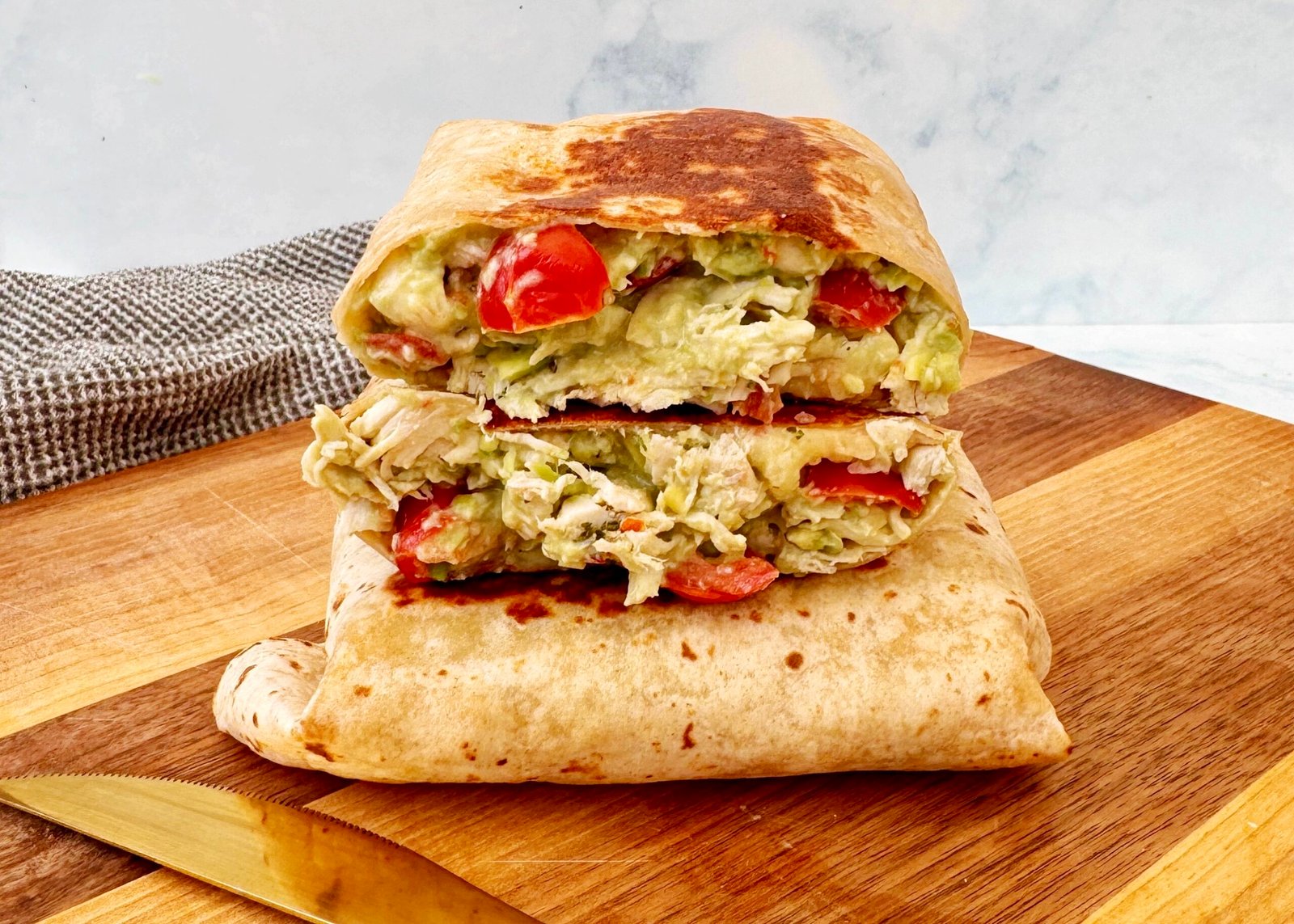
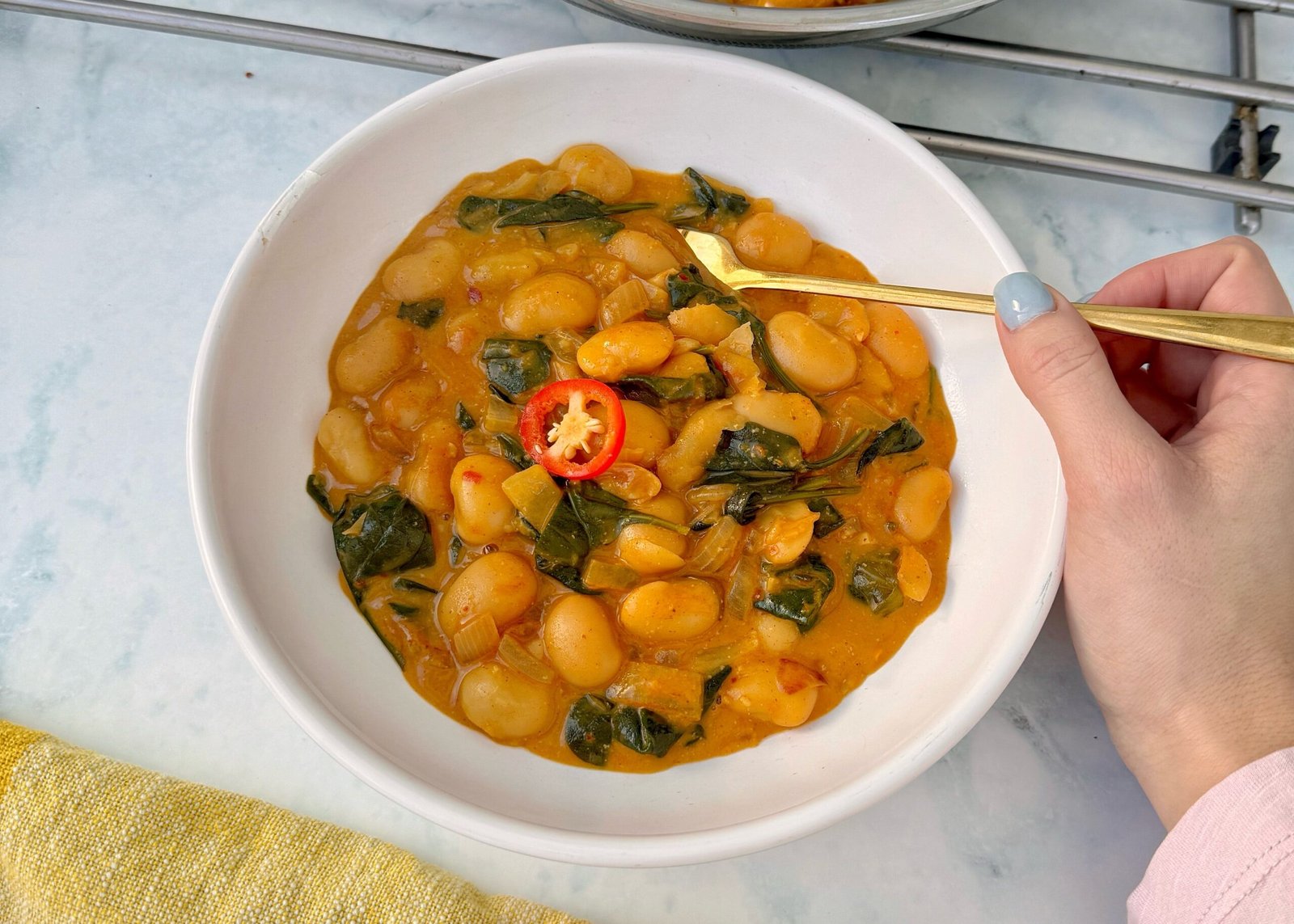
Some of my favourite High Protein Recipes

What a High-Protein Day Actually Looks Like
- Breakfast: Greek yogurt bowl with fruit and seeds
- Lunch: Chicken salad wrap
- Snack: Protein mug cake or boiled eggs
- Dinner: Salmon, rice, and vegetables
This approach naturally increases protein intake without needing exact numbers.
Common Mistakes to Avoid
- Relying only on dinner for protein
- Choosing “healthy” foods that are low in protein
- Overcomplicating meals
- Thinking you need supplements
How This Fits Into a Balanced Diet
Protein is just one part of the picture.
A balanced approach includes carbohydrates, fats, fiber, and flexibility. You don’t need to be perfect—just consistent enough to support your goals.
If you want to read more about the role of fibre and protein check this article.
FAQs
How much protein do I actually need?
This varies, but a general guideline is to include a protein source at each meal.
Can I build muscle without tracking protein?
Yes, consistent intake and overall diet quality matter more than precision.
What are easy high-protein foods?
Greek yogurt, eggs, chicken, tofu, beans, and cottage cheese.
Do I need protein powder?
Not necessarily, it’s optional and can be convenient.
Is more protein always better?
Not always, balance is key.
Final Thoughts
You don’t need to track every gram to make progress. Small, consistent habits often lead to better long-term results.
If you focus on building meals around protein and keeping things simple, you’ll likely get where you want to be—without the stress.
👉 Want more support? Healthy eating shouldn’t feel confusing, restrictive, or overwhelming. Mindfully Eating is your practical guide to building healthy habits that fit real life, without dieting, guilt, or perfection. Download it here!