Nutrition Facts
Servings: 6 ServingCalories:120kcalTotal Fat:5gSodium:180mgTotal Carbohydrate:14gDietary Fiber: 0.3gSugars: 2gProtein:4g

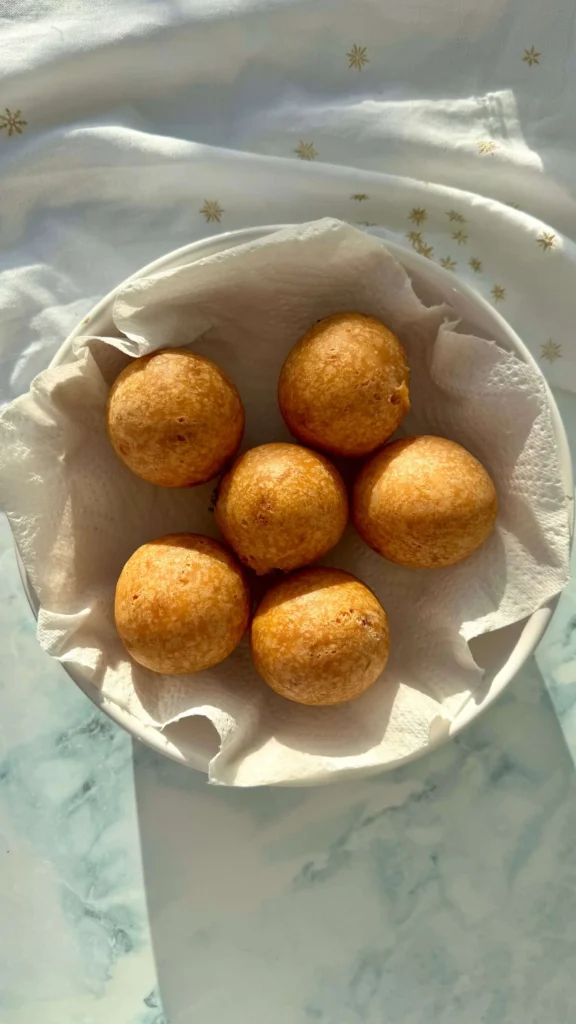
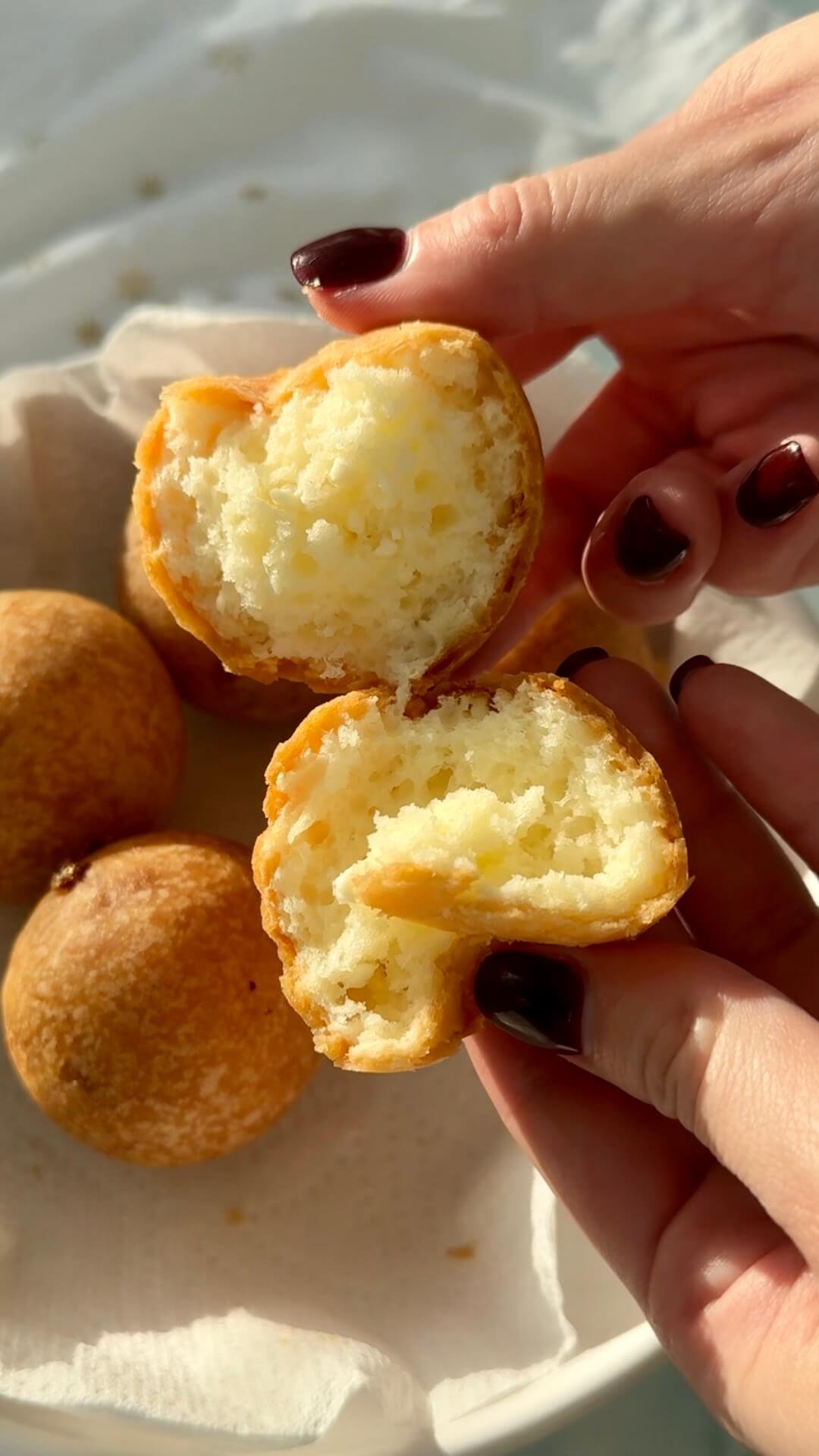
If you grew up in Colombia, you know the arrival of Colombian Buñuelos on bakery counters means the Christmas season is on its way. Even though buñuelos are enjoyed year-round, they hold a special place in Colombian holiday celebrations. As someone who grew up with these cheesy, golden bites of joy, I can tell you that the first warm bite—crispy on the outside, soft and airy inside—always brings back childhood memories.
What I use
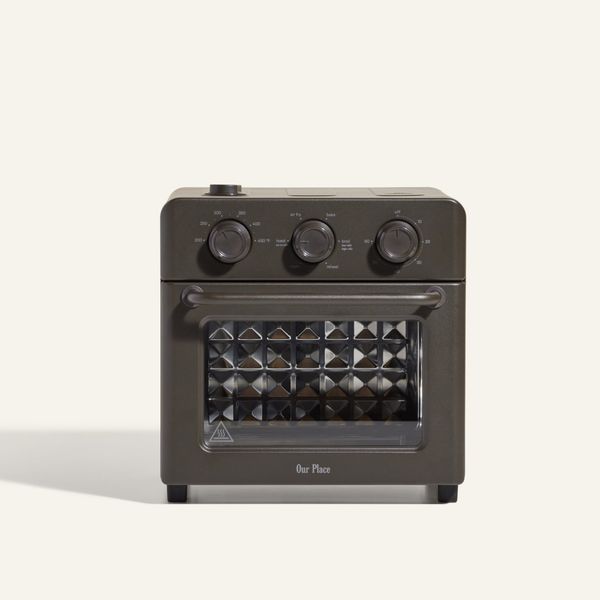 Our Place Wonder Oven: The PFAS-free air fryer I've switched to.
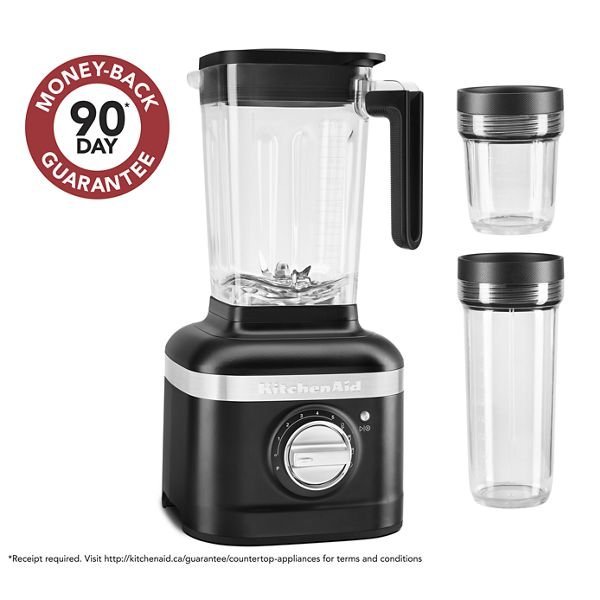 KitchenAid K400 blender: The blender I use for all my blitzing.
Contains affiliate links. I may earn a small commission at no extra cost to you.
From a nutrition-coaching perspective, I love sharing recipes like this because they encourage a mindful, cultural approach to food. These cheese fritters are traditionally deep-fried, but they are naturally light rather than greasy, and incredibly satisfying in just one or two portions. If you’ve ever wondered how to make buñuelos at home or wanted a simplified, reliable Colombian buñuelos recipe, this version is approachable, delicious, and true to the flavours of traditional Colombian food.
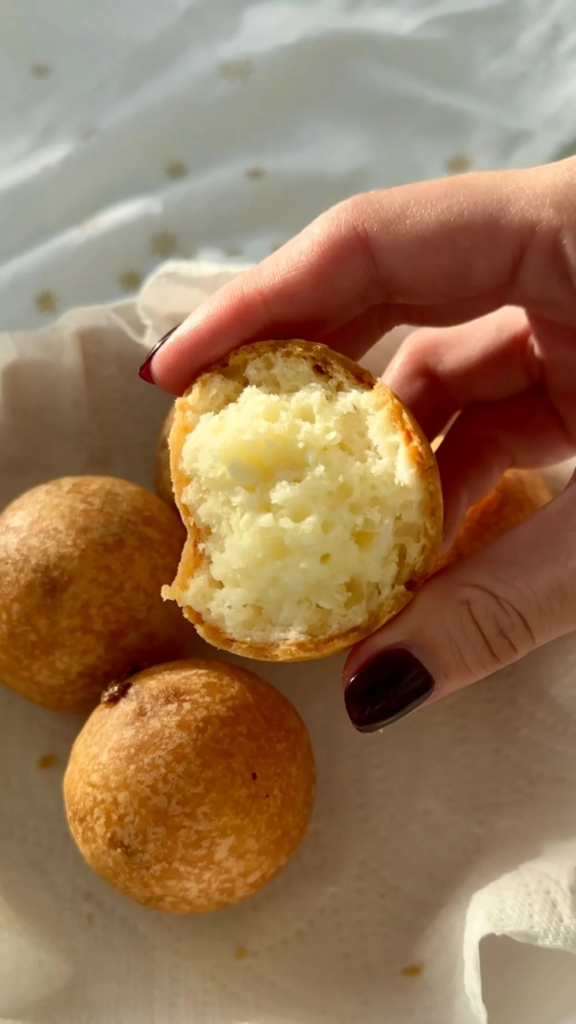
1. Combine the ingredients
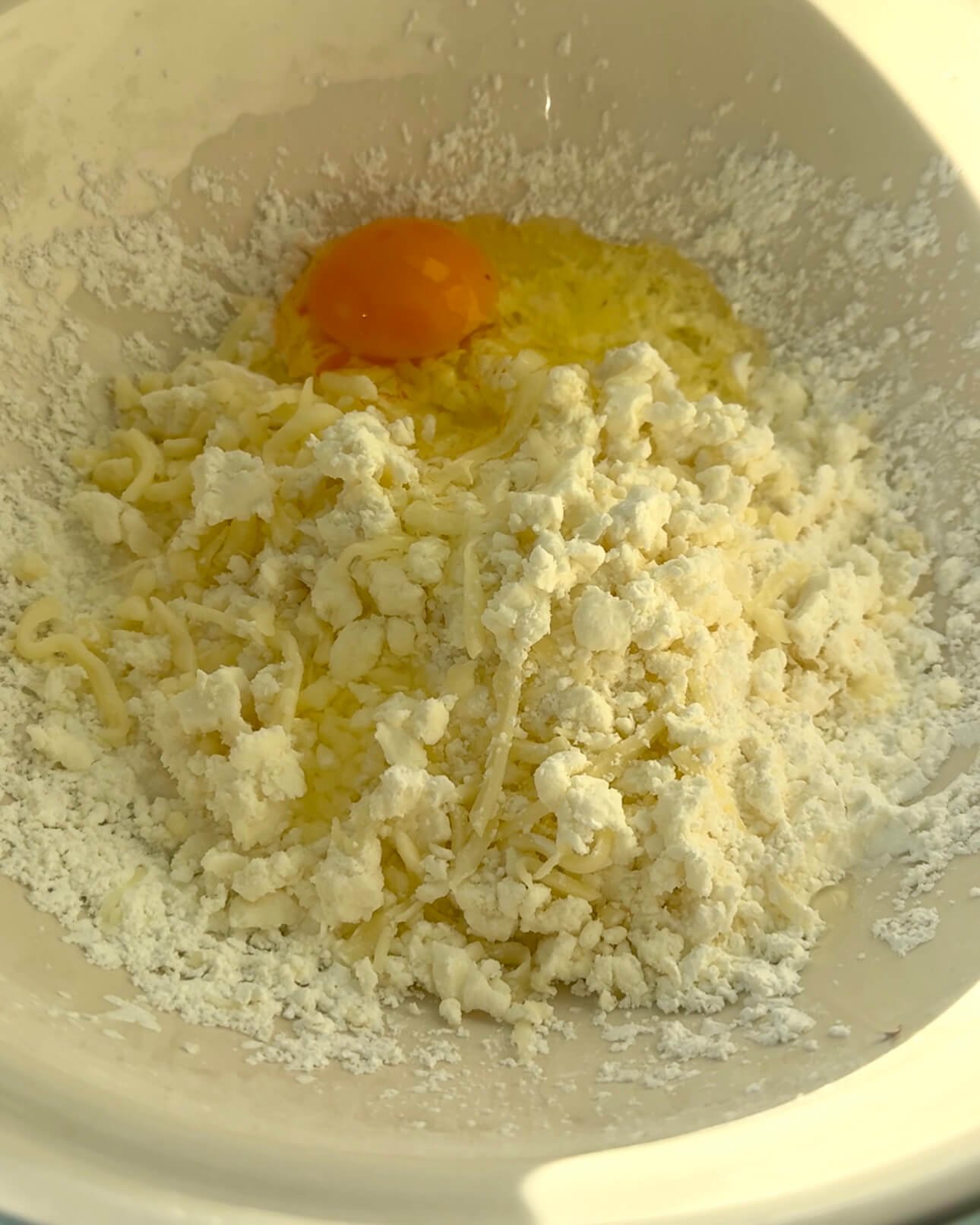
In a medium bowl, mix the cornstarch, cassava starch, sugar, baking powder, cheeses, and egg until a soft dough forms. Add a splash of milk only if the dough feels dry.
Coach tip: Aim for a soft, pliable dough—too dry and the buñuelos crack, too wet and they won’t hold shape.
2. Form the balls
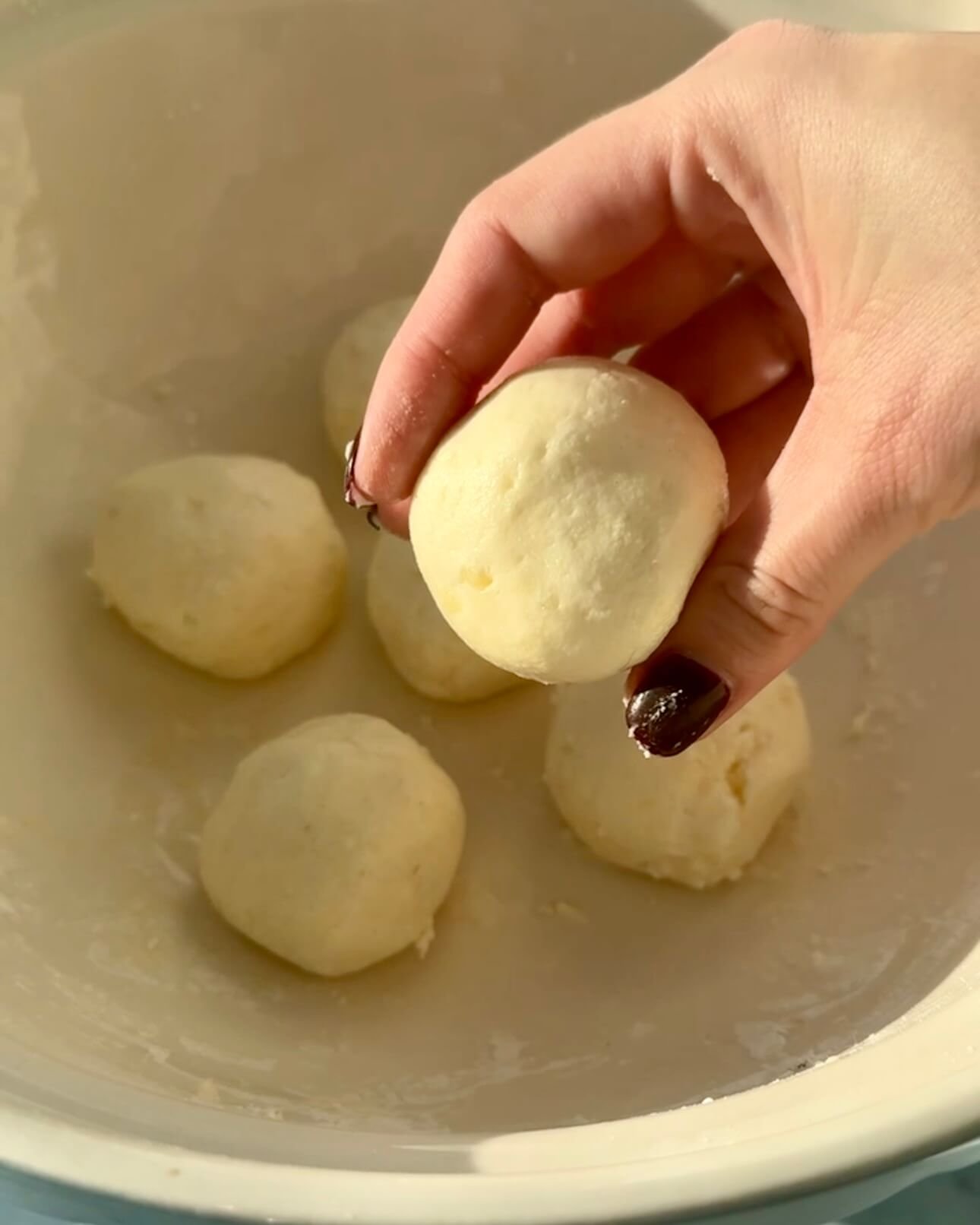
Divide the dough into 6 equal portions and roll each one into a smooth ball.
Coach tip: Smooth surfaces fry more evenly and reduce the chance of bursting.
3. Heat the oil
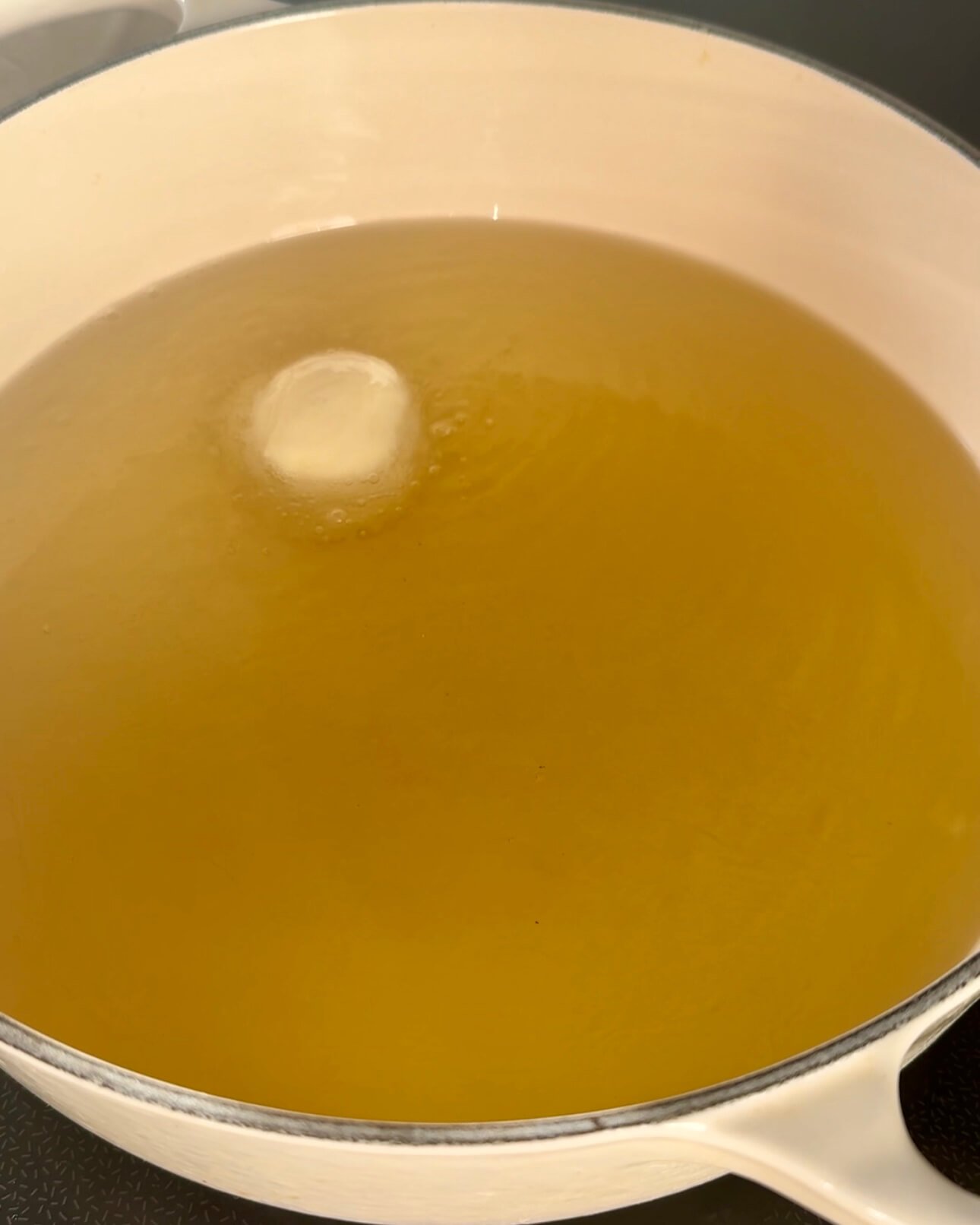
Warm oil to 170°C (340°F) in a deep pot.
4. Fry the buñuelos
Lower the balls gently into the oil and fry until golden brown, rotating them to cook evenly.
Coach tip: Keep the temperature consistent. Too hot and they brown without cooking inside; too cool and they absorb oil.
5. Drain and serve
Transfer to a rack or paper towel to drain. Serve warm for the perfect texture.
Is it buñuelos or buenuelos?
The correct Spanish spelling is buñuelos, but “buenuelos” appears in English descriptions when accents are removed.
What are buñuelos made of?
Typically a mix of starches (cornstarch and cassava), cheese, egg, sugar, and baking powder. This combination creates that iconic crispy-soft texture.
What is the difference between Mexican and Colombian buñuelos?
Mexican buñuelos are usually thin, crispy, and sweet—similar to a fritter or fried tortilla with sugar syrup.
Buñuelos Colombia–style are round, airy cheese fritters.
What is buñuelos in English?
The closest term is cheese fritters, though it doesn’t fully capture the unique Colombian texture.
Can I use a different kind of cheese?
Yes. Queso costeño is traditional, but feta, goat cheese, ricotta, halloumi, or mozzarella blends all work well.
Why did my buñuelos crack?
The dough may have been too dry or the oil too hot. Add a splash of milk next time and fry at a stable temperature.
This Cast Iron Round Casserole from Le Creuset is perfect for deep frying amongst other things, this iconic piece is your one-stop pot for memorable meals with an intense depth of mouth-watering flavour.
If you grew up in Colombia, you know the arrival of Colombian Buñuelos on bakery counters means the Christmas season is on its way. Even though buñuelos are enjoyed year-round, they hold a special place in Colombian holiday celebrations. As someone who grew up with these cheesy, golden bites of joy, I can tell you that the first warm bite—crispy on the outside, soft and airy inside—always brings back childhood memories.
From a nutrition-coaching perspective, I love sharing recipes like this because they encourage a mindful, cultural approach to food. These cheese fritters are traditionally deep-fried, but they are naturally light rather than greasy, and incredibly satisfying in just one or two portions. If you’ve ever wondered how to make buñuelos at home or wanted a simplified, reliable Colombian buñuelos recipe, this version is approachable, delicious, and true to the flavours of traditional Colombian food.
In a medium bowl, mix the cornstarch, cassava starch, sugar, baking powder, cheeses, and egg until a soft dough forms. Add a splash of milk only if the dough feels dry. Coach tip: Aim for a soft, pliable dough—too dry and the buñuelos crack, too wet and they won’t hold shape.
In a medium bowl, mix the cornstarch, cassava starch, sugar, baking powder, cheeses, and egg until a soft dough forms. Add a splash of milk only if the dough feels dry. Coach tip: Aim for a soft, pliable dough—too dry and the buñuelos crack, too wet and they won’t hold shape.
In a medium bowl, mix the cornstarch, cassava starch, sugar, baking powder, cheeses, and egg until a soft dough forms. Add a splash of milk only if the dough feels dry. Coach tip: Aim for a soft, pliable dough—too dry and the buñuelos crack, too wet and they won’t hold shape.
Divide the dough into 6 equal portions and roll each one into a smooth ball. Coach tip: Smooth surfaces fry more evenly and reduce the chance of bursting.
Warm oil to 170°C (340°F) in a deep pot.
Lower the balls gently into the oil and fry until golden brown, rotating them to cook evenly. Coach tip: Keep the temperature consistent. Too hot and they brown without cooking inside; too cool and they absorb oil.
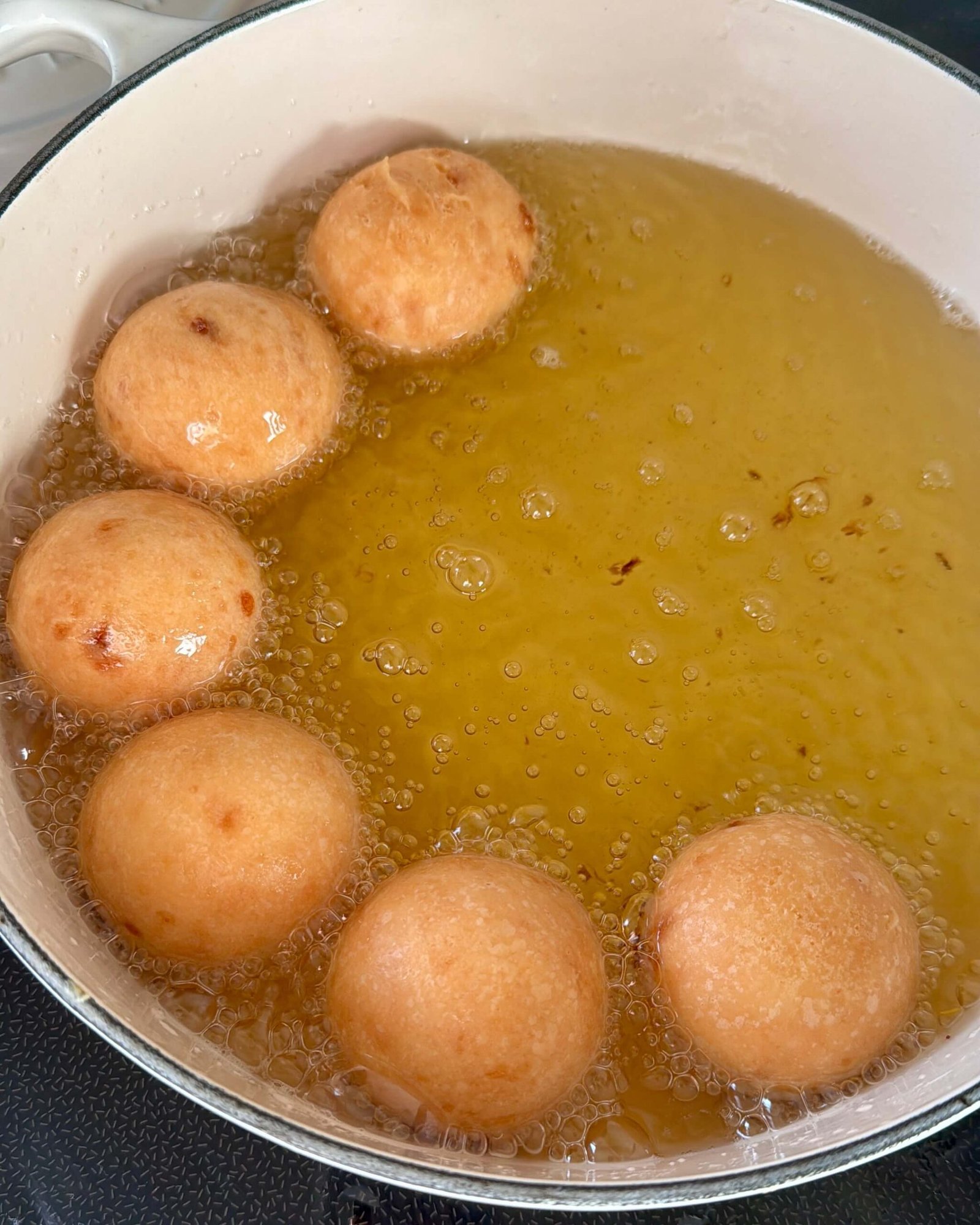
Transfer to a rack or paper towel to drain. Serve warm for the perfect texture.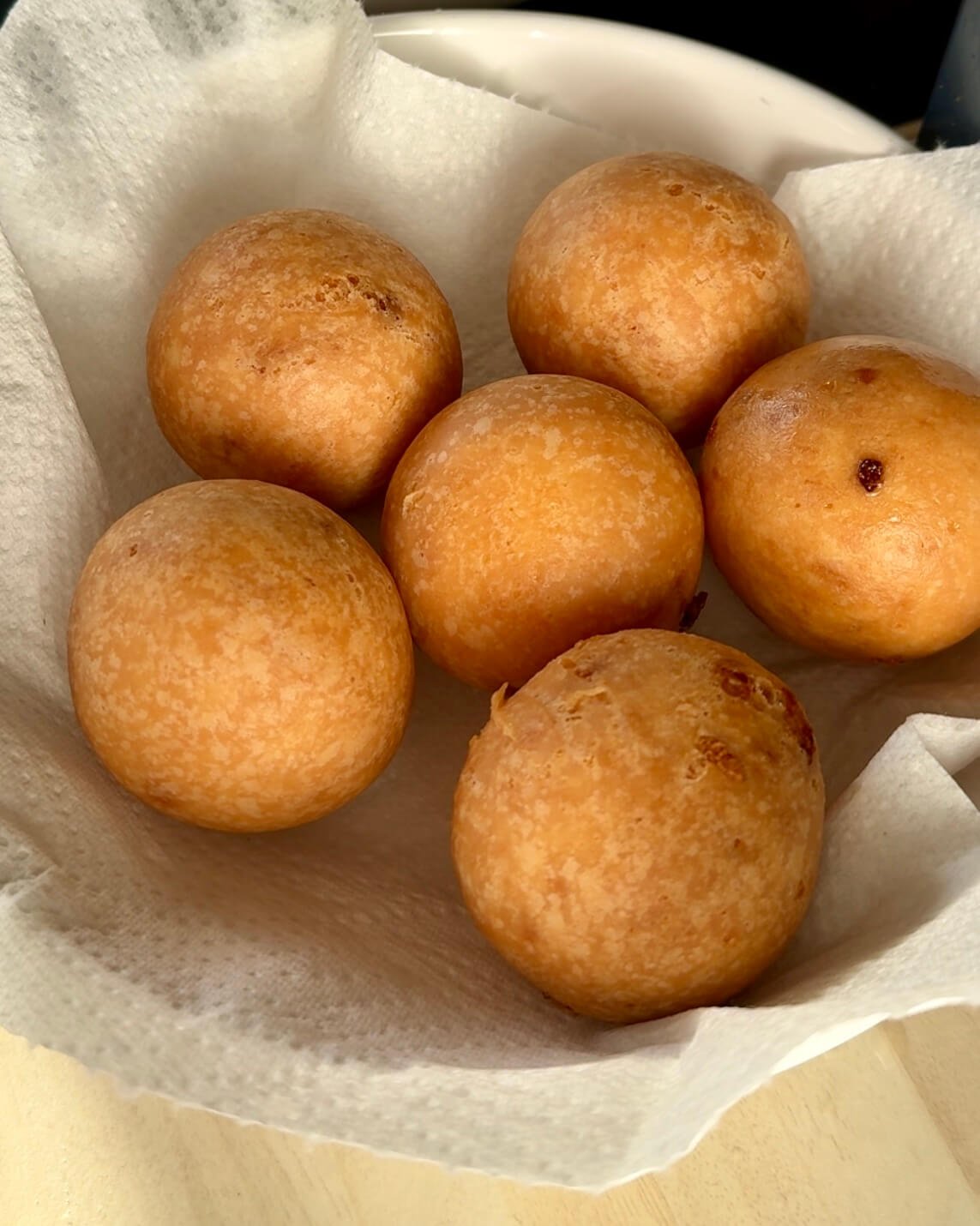
Servings: 6 ServingCalories:120kcalTotal Fat:5gSodium:180mgTotal Carbohydrate:14gDietary Fiber: 0.3gSugars: 2gProtein:4g
If this brought a taste of home to your kitchen, I’d love to hear how your batch turned out. Share your buñuelos, ask questions, or leave your own family variations. Your kitchen stories help others try traditional Colombian food with confidence.
Buñuelos are more than a recipe—they’re a holiday memory, a family tradition, and a delicious way to stay connected to Colombian culture. I hope this easy, approachable version brings the same warmth to your kitchen.