
Walk down any supermarket aisle or scroll through social media, and it’s clear: protein is everywhere. High-protein shakes, bars, yoghurts, and cereals promise muscle gains, satiety, and overall health. For good reason, protein is essential for building and repairing muscles, supporting your immune system, and keeping you feeling full between meals.
Fitness influencers, diet plans, and even mainstream media often highlight protein as the “must-have” nutrient. But in this spotlight, another equally crucial nutrient is often overlooked: fibre.
Fibre doesn’t get the same glamour as protein, it doesn’t grow muscles or appear on fitness labels, yet it’s vital for your body to function properly.
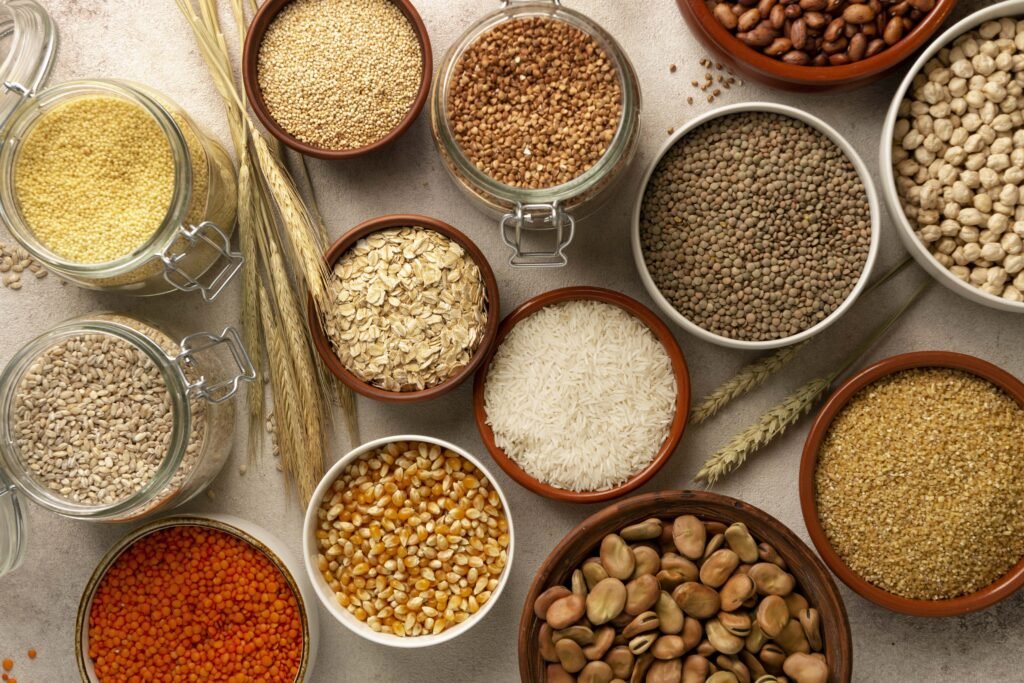
Fibre is found mainly in plant foods: vegetables, fruits, whole grains, nuts, seeds, and legumes. Adults are recommended to consume 30 grams per day of fibre, yet studies show the average intake in the UK is only around 18–20 grams.
That’s a significant shortfall, and it can have far-reaching effects. Low fibre intake is linked to:
Unlike protein, fibre doesn’t have a visible impact on your body right away. That’s why it’s easy to neglect but over time, the benefits of eating enough fibre are enormous.
Fibre helps move food through your digestive system, keeping things regular and preventing constipation. Soluble fibre absorbs water and forms a gel-like substance that slows digestion, while insoluble fibre adds bulk to your stool, helping it pass more easily. Together, they keep your gut healthy and happy.
Soluble fibre slows the absorption of sugar into the bloodstream. This helps prevent blood sugar spikes and crashes, keeping your energy levels stable and reducing sugar cravings, an essential factor for anyone managing their weight or living with pre-diabetes.
Certain fibres, like those found in oats, beans, and barley, can help lower cholesterol levels. Lower cholesterol supports a healthy heart and reduces the risk of cardiovascular disease. Even simple swaps, like switching to whole grains or adding legumes to your meals, can have a measurable impact over time.
High-fibre foods tend to be more filling, which helps you eat less overall. Combine this with protein, which also promotes satiety, and you have a powerful duo for managing weight while still enjoying satisfying meals.
Your gut bacteria thrive on fibre. A diverse gut microbiome contributes not just to digestion but also to your immune system, mental health, and even inflammation regulation. Without enough fibre, these bacteria don’t get the “fuel” they need to flourish.
Protein is essential for muscle growth, repair, and overall body function. Fibre, meanwhile, supports digestion, heart health, blood sugar balance, and satiety. Together, they create a balanced, nourishing diet that keeps your body functioning optimally.
Ignoring fibre while focusing only on protein is like building a house with strong bricks but no foundation, the structure won’t hold up over time.
Adding fibre to your diet doesn’t have to be difficult. Here are some simple, practical ways:
These small swaps make a big difference and ensure your diet is balanced between fibre and protein.


One-pot Strawberry & dark Chocolate Pancakes



Protein may get the headlines, but fibre deserves just as much attention. By prioritising both, you’ll support your muscles, your gut, your heart, and your overall wellbeing.
Next time you plan meals, ask yourself: Am I getting enough fibre along with my protein? Small swaps, added vegetables, whole grains, and legumes can make all the difference — your body will thank you.